
How to Build Brand Equity Through Film: A Narrative-First Framework
Building brand equity through film strengthens viewers' perception, recognition, and trust in your business. Rather than promoting the next sale or...
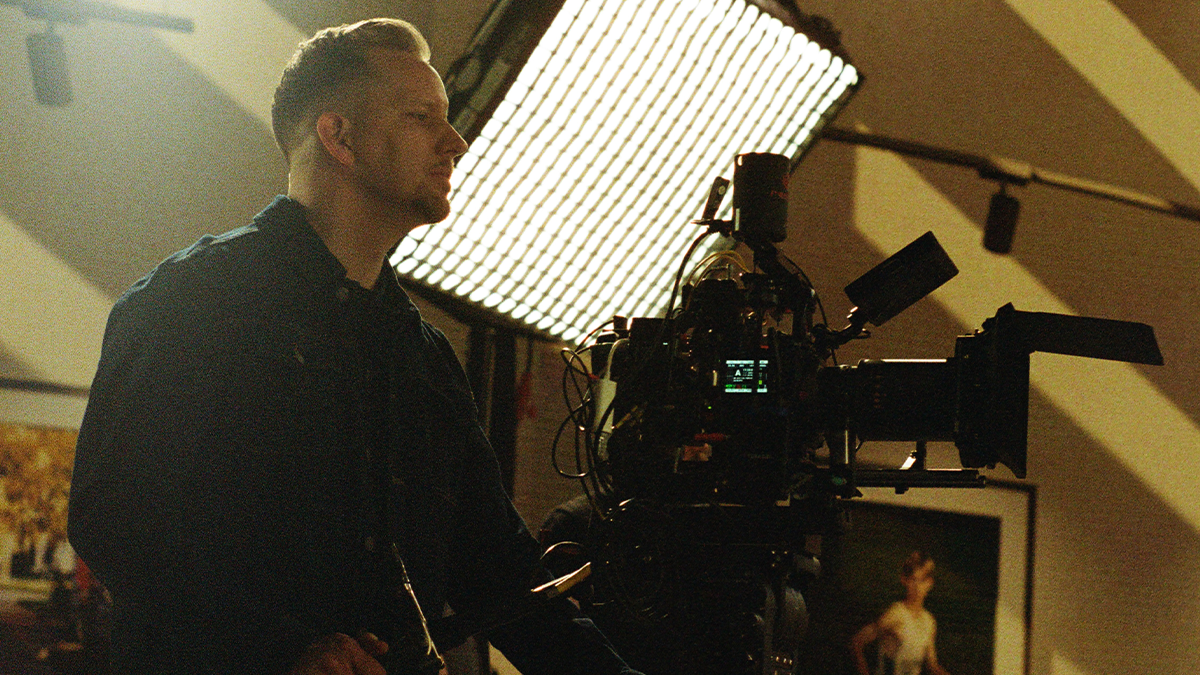
Audiences want unique characters and stories they can connect to, which you can't achieve without a strong brand strategy and creative direction. More than just an aesthetic choice, creative direction is a strategic force that influences the audience's experiences and the long-term impact of your message.
Discover how creative direction determines how your brand is interpreted and how you can leverage creative direction services to support your brand's meaning and equity.
What is a creative direction strategy, and what does it look like for brand films? Creative direction is a discipline that aligns narrative intent, tone, and visual execution, helping you clearly strategize and communicate your artistic vision. It defines how you approach every step of the production process, whether you're creating a story from your brand goals or entering the first day of filming with clear storyboards and shot lists.
Creative direction governs your film's design decisions, as well as its interpretation and emotional response. A strong creative mindset encourages you to look beyond the logistics and equipment and consider how the audience will experience your film.
This requires you to put yourself in the audience's shoes and ask yourself key questions. For instance, how will each visual and conflict make viewers feel, and how will that affect them as you transition to the next scene? What type of resolution will audiences want the hero to have at the end of your story's conflict, and when's the best point to reveal this resolution to them?
A holistic approach to creative direction and film production requires you to consider various creative aspects of your project, such as:
Creative direction changes how you approach the film production process, from film scriptwriting and storyboarding to the final edit. One person may look at a shot list and decide where to place the camera based on where it's most convenient to set the tripod. Meanwhile, someone with creative direction will place the camera based on what they want in the background, the type of lighting they're working with, and the emotional impact they want to set with the camera angle.
Brand positioning should play a crucial role in your creative and cinematic decisions, helping you consistently frame your business in the best light. Various components of your film production can influence your brand positioning and strategic messaging, including:

One of the core rules of storytelling is to "show, not tell." Your brand film can't simply tell people to trust your company. Instead, you must showcase your brand's values and authority so that audiences can conclude on their own that your business is credible and trustworthy.
The meaning of your film and campaign is constructed through narrative consistency and visual language, along with viewers' own interpretations. Strong creative direction gives you optimal control over the audience's perception of your brand and story. This creative mindset can help you identify and bridge the gap between what you're trying to say and the message audiences actually hear.
For example, you may realize during the editing process that the way you phrased a particular message is too vague. This could potentially cause viewers to misinterpret what you're saying, or it may not connect to your brand as effectively as you'd like. Strong creative direction can help you identify solutions that build on your goals, such as adding B-roll or stock footage to clarify your meaning or rerecording the narration with automated dialogue replacement (ADR).
You may understand the meaning of creative direction, but what does a creative director actually do on a film set? The answer ultimately depends on the person's role in production, whether they're the director, a producer, or fulfilling another role, such as production designer.
While specific roles and responsibilities vary, the core traits of creative direction almost always stay the same.
Before you roll the camera or write the script, you must clearly define your brand strategy and creative direction goals. A well-defined creative vision will help you maintain narrative clarity by keeping the story focused on a central message.
Every scene and moment of your film should reinforce your brand positioning, leaving little room for misinterpretation. A strong and familiar narrative structure with a clear beginning, middle, and end can help you maintain focus throughout your story, keeping audiences engaged and rooting for your hero.
Visual language includes all the on-screen components, from your on-set lighting and color choices to your post-production VFX and motion graphics. Define your goals for the visual aspect of your brand film early in the process to maintain tonal consistency and continuity. Clear communication can also help others on your production team develop creative ways to incorporate your visual goals, such as by choosing props that align with your brand colors.
Key aspects of visual and tonal consistency for brand films include:
Have you ever watched a movie or TV show and completely lost your sense of immersion due to an actor's performance? Even the best actor is only as good as their director, underscoring the importance of clear creative direction for everyone in front of and behind the camera.
How you direct talent will influence the audience's trust, relatability, and engagement. Good creative directors don't just hand actors a script. Instead, they take the time to discuss character motivations and feelings, helping talent act the same way a real-life customer would act in the situation you're portraying. This level of authenticity will give your brand film greater impact than a film that's overly polished and delivered without that essential human touch.
Fragmented creative direction can weaken your brand coherence and recognition. This essentially requires you to start over and create a new impression every time you want to deliver your message.
Creative directors on marketing teams are responsible for overseeing and maintaining long-term brand growth with innovative, audience-centered approaches. These are some major responsibilities. With consistent creative direction, your brand's perceived quality, awareness, and loyalty strengthen over time.
Beyond individual brand films, unified creative direction scales across all assets within your campaign. Prioritizing coherence across all platforms, formats, and timelines can help you maintain brand clarity and maximize reach within your target audience, regardless of which apps they use.
Track short-term and long-term metrics — such as viewership, social media engagement, and leads generated — to measure the performance of all brand films across your campaigns. These metrics can help you pinpoint your most and least successful creative strategies. For instance, you could identify the exact moments viewers stopped watching your film or pinpoint the stories people interacted with the most, such as a brand film touring your workspace.
An experienced film production and creative direction agency can help you elevate your creative vision and leave a lasting impact on your target audience. Charter & Co leads with intentional creative direction before the production process begins, ensuring alignment and clarity for your brand.
Contact Charter & Co to discuss how a strategic partnership and our creative direction services can support your long-term brand growth.

Building brand equity through film strengthens viewers' perception, recognition, and trust in your business. Rather than promoting the next sale or...
.webp)
Almost everyone has an idea what film production looks like for Hollywood's big-screen stories, but what is filmmaking like for brand films? Brand...

Brand equity is the long-term value you build through trust, memorability, and a well-established brand meaning. Films, and especially narrative...