
Pre-Production in Film: Why Strategy Determines the Final Outcome
Film crews don't simply walk onto a set and improvise where to set the camera or what to record. Every film requires extensive pre-production...
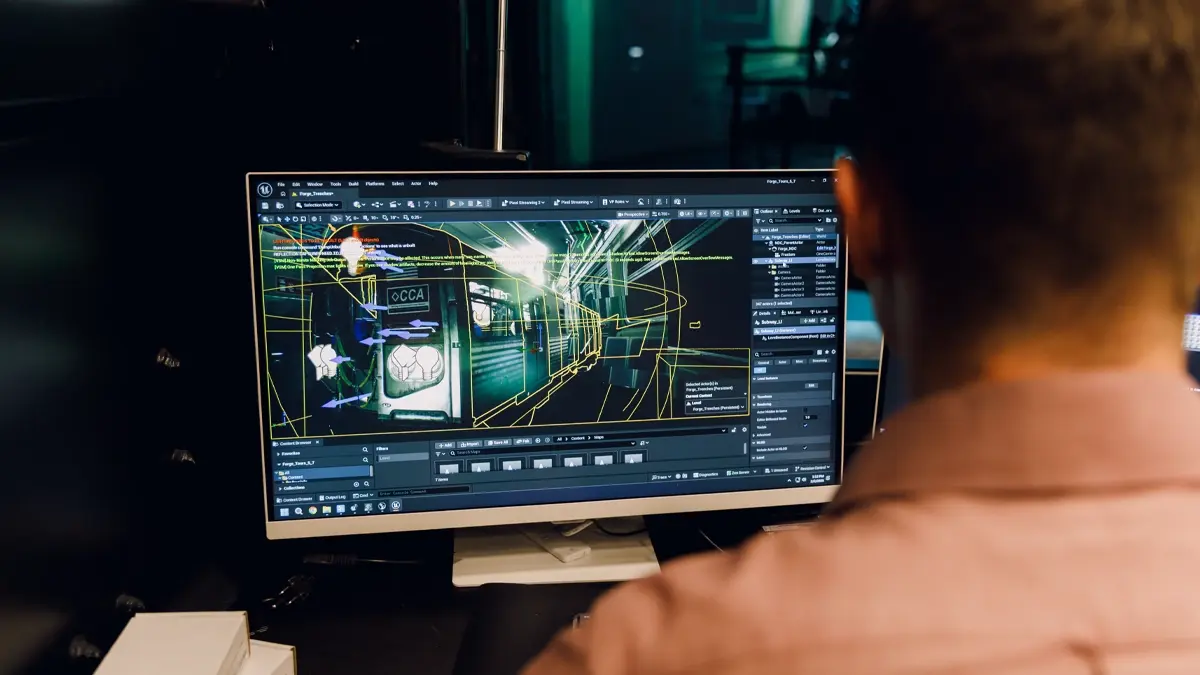
Film editing serves as the step of production that can redefine your story's clarity and emotional meaning. From pacing to scene juxtaposition, every editing decision directly influences how audiences interpret, remember, and trust your brand film.
Understand the best film editing techniques and how to use them to maximize your film's impact and keep your audience's attention hooked on the screen.
Occurring during post-production, the final production stage, film editing is the process of filtering through, trimming, and juxtaposing footage into a cohesive narrative. Professional-level editing is more than a technical workflow — it's a narrative discipline that directly influences how viewers interpret your film and what they take away.
Editing for brand films often requires you to trim and refine footage within a tight runtime while honing in on your brand positioning and emotional impact. Brand films can run up to 30 minutes (or even longer), but most are only 30 seconds to five minutes, which really isn't much time. Depending on your goals, your edit may need to be fast-paced and succinct to include everything you want while still maintaining rhythm and pacing.
Though you should develop your film's themes during film scriptwriting and story development, the ultimate meaning often isn't fully "created" until the edit. After all, you could write the perfect closing line and your actor could deliver it perfectly, but that footage won't do you any good if it ends up on the cutting room floor.
Editing affects storytelling by ultimately deciding what viewers see across every second of your film. For example, incorporating the right B-roll footage, behind-the-scenes clips, motion graphics, or stock clips over the right moments of dialogue or narration can hone in on your message. Similarly, rhythmic cuts between shots that line up with action or music can keep viewers immersed in the scene rather than taking them out of the moment.
The best film editing strategies refine your footage and combine it with various other assets, such as sound effects, narration, background music, motion graphics, and animations. By deciding exactly what viewers see and hear at each point across your film's timeline, experienced editors can create tailored audience experiences that build on your desired tone and leave little room for confusion.
Pacing and structure can influence emotional response and brand credibility — for better or worse. For instance, a misaligned edit that briefly cuts to black between shots could completely take viewers out of your story and give your brand an unprofessional look. On the other hand, well-timed, almost unnoticeable cuts during an emotional moment can connect audiences to every character on screen, making it impossible for them to look away.
Done right, film editing allows you to influence audience perception to effectively convey your message. Key components of editing techniques in film include:
The timing of cuts can affect your film's tension, clarity, and engagement. Many editors follow the rule of "motivated editing," or only cutting at justified moments, such as to show an action, reaction, or a critical detail that connects to the current narrative beat. This cinematic editing technique lets you maintain seamless and logical transitions that drive the story and keep viewers engaged.
Think of a standoff between dueling gunslingers in a classic Western. These scenes often feature long-lasting, nearly motionless shots that linger for a few extra seconds before cutting away. This builds tension and invites the audience to over-analyze every detail, from a character's twitching finger to a bead of sweat slowly dripping down their face. The film may also briefly cut to one character's eyes to establish what they're looking at, such as a motivating love interest, before the cuts speed up and the tension rises even more.
For brand films in particular, emotional pacing can directly influence how audiences internalize your brand messaging and positioning. For instance, cutting to your product, logo, or spokesperson at the exact right moment can create a subconscious sense of relief and trust — a feeling that your audience may experience again when it's time to make a buying decision.
Narrative coherence depends on intentional editorial structure. In video editing, different moments and arrangements of your film's timeline are called "sequences." The best editing techniques in film require you to look at each sequence individually. Identify the unique motivations, emotions, and perspectives that moment adds to the plot, and then develop creative ways to use each cut, sound, and clip to build upon them.
Strategic juxtaposition maximizes your control over your brand perception while expanding how much you can say with your message. Like a puzzle, each unique piece of footage and audio can deliver your intended emotional tone when placed exactly right.
For example, you could cut to footage of your business or brand logo just as the narration says, "which is why it's important to have a team you can trust." This communicates to the viewer that they can trust your brand without outright instructing them to trust you, all while keeping the focus on your brand values and mission.
A crucial part of effective structure and juxtaposition is ensuring your post-production teams understand your storytelling and branding goals. Your film may need to pass through the hands of multiple professionals, including primary editors, assistant editors, sound designers, colorists, and visual effects (VFX) artists. Clear communication and written goals help each editor maintain the intended message and emotional pacing in your film.
You should ideally develop most of your brand and production strategies during pre-production, but the work shouldn't stop there. Editing is the final layer of brand strategy, giving you one last opportunity to refine your strategy and reinforce your brand positioning.
First, the editing workflow may highlight easy opportunities to build brand equity, from your music to your flow and transitions. For instance, you could add upbeat, inspiring music to set the right tone and fade to your products or customer service team during emotional beats to build trust.
Now that you're deeper in the creative process, you may also think of new, brilliant ways to deliver your message and frame your brand. Fortunately, even if production is long behind you, it may not be too late. Post-production techniques such as Automated Dialogue Replacement (ADR), voice-overs, reshoots, and revisions let you refine your message until you have a brand film you're confident in.
Have you ever spotted an error while watching a movie or commercial and immediately stopped paying attention to everything else? Mistakes or unmotivated editing can distract audiences and limit their immersion into your brand story.
Clean edits reduce confusion and improve comprehension, ensuring audiences hear your message plainly and without distraction. Rather than taking viewers out of the story, each cut should drive the narrative and audience perspective forward. Engaging edits organically show viewers what they want or expect to see while still leaving enough unseen to entice them to keep watching.
A clean, professional brand film also supports your brand's credibility and trust. A strong edit shows that your organization gives careful attention to detail and puts genuine effort into projects, giving audiences more confidence in your brand name.
Errors or poor editing can hinder your brand film's emotional pacing and immersion, but what do these problems even look like? Explore the most common brand film editing mistakes and the film editing techniques you can use to avoid them:
Partnering with a professional production and editing partner, such as Charter, can help you make the most of your post-production and brand storytelling process. Experienced editors already understand the best film editing strategies, when to use them, and the best programs and tools to use.
Get in touch to discuss how Charter can elevate your brand film's intentional storytelling and long-term brand impact.

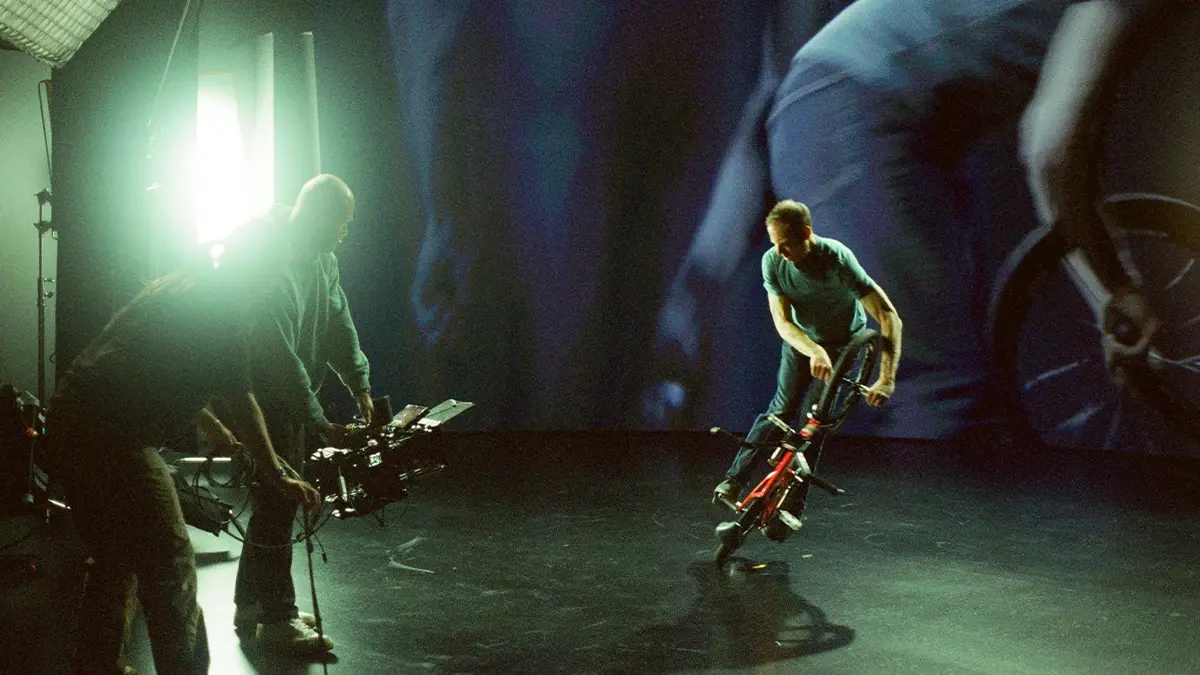
Film crews don't simply walk onto a set and improvise where to set the camera or what to record. Every film requires extensive pre-production...
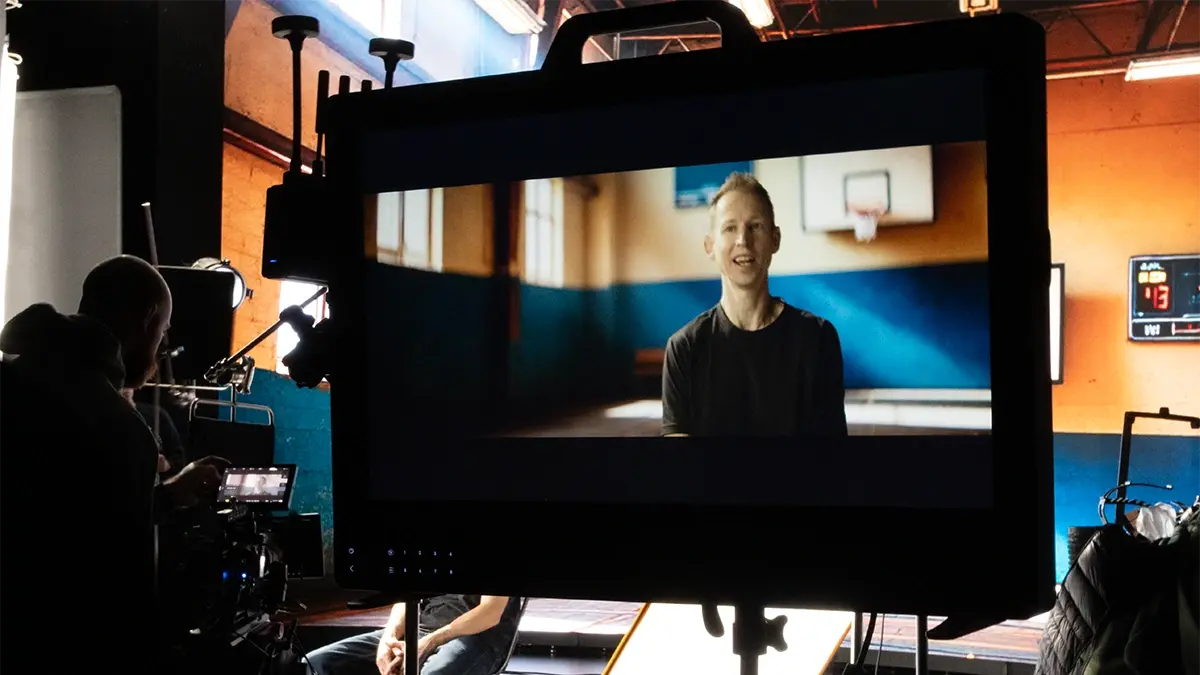
From short-form social media reels to conference livestreams, corporate video production can significantly elevate your organization's brand...
.webp)
Film production for commercials differs from traditional production, requiring extra emphasis on your brand goals, target audience, and distribution...