
 Drew English
Commercial Film Production: What Brands Should Expect
Film production for commercials differs from traditional production, requiring extra emphasis on your brand goals, target audience, and distribution...
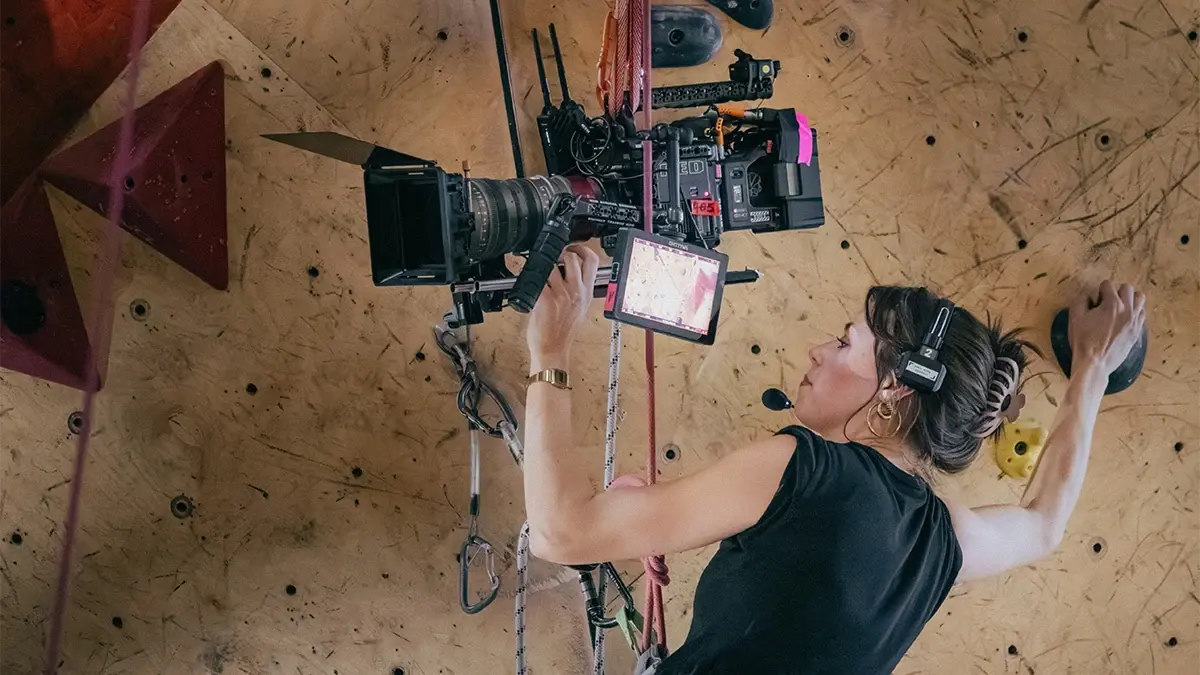
A lot more goes into a movie than what you see on screen. Film production is the comprehensive, multi-stage process that takes creative teams all the way from development and scriptwriting, through shooting and editing, to the distribution of the final film.
A strong production plan maximizes your resources and your film's impact on audiences, especially when they're aligned with your core marketing goals. The right technology and practices give you optimal control over your brand's perception and long-term value. This guide explores what goes into production and how filmmaking can become a long-term brand equity tool when guided by a strong grasp on both narrative and logistics.
Film production is an end-to-end discipline rooted in using footage, audio, and cinematic techniques to tell digital stories and deliver lasting messages. It's typically separated into three distinct phases: pre-production, production or shooting, and post-production.
This medium has evolved significantly over the years, from classic cinematic filmmaking to modern brand and marketing uses. The art of filmography began in the late 1800s with the invention of the first cameras. Early films only captured silent, black-and-white footage. Sound entered the scene in the 1920s with The Jazz Singer, and color film gained popularity in the 1930s, most notably in The Wizard of Oz.
Film production changed forever when the first television commercial was created around 1940, expanding the focus from entertainment (in the form of television and movies) to also include advertising, branding, and outreach. Businesses quickly discovered that stories, characters, and strategic product placement could uniquely hook audiences' attention and create impressions and emotional connections.
Production practices and film have continued to change. The medium became even more prevalent after the introduction of YouTube in 2005, as people began streaming films from their computers and smartphones. The rapid development and growth of social media platforms such as Instagram and TikTok have continued to make film a priority for both personal use and brand marketing.
Social media is increasingly commonplace in consumers' lives. This means that filmmaking is more important than ever for companies looking to establish effective marketing strategies. In 2023, Americans spent nearly an hour on average on TikTok and YouTube every day, with Instagram, Facebook, Snapchat, and Twitter/X averaging around 30 minutes. This showcases the unbeatable engagement of the medium.
While film production once could be only a small part of a larger brand marketing strategy, it has grown into an integral part of promoting brands and products across channels. From producing stand-alone Reels on Instagram to films embedded in website pages and marketing emails, full-service film production services are becoming a must-have component of a holistic marketing strategy.
Film production agencies partner with businesses to create films to promote their services, products, or brand. These teams consist of skilled and experienced filmmakers, each with their own creative strengths and specialties.
Film production services vary across the production process, from pre-production through post. Some agencies, such as Charter, offer full-service production processes. Others only have specialized offerings, such as film post-production services that emphasize audio or visual effects (VFX). Understanding your unique production and branding goals can help you identify the best services for your current project.
Beyond such services, film production requires you to consider your technology and tools. The production process requires specialized equipment and software, including camera gear and editing platforms. Various other filmmaking tools, such as drones, cranes, virtual production studios, and VFX software, can further elevate the cinematic experience.
Full-service film production follows an industry-standard three-phase structure, including pre-production, production, and post-production. While technical steps and operations vary by film, the structure and purpose of each production phase are generally consistent.
Planning and creative alignment are the foundation of strong films, keeping all teams and production phases aligned on the same vision and goals. The pre-film production phase establishes a clear production plan for a successful film. It ensures that production stays on schedule and on budget while meeting all brand goals and requirements — and that you have a backup plan if something goes wrong.
Pre-production consists of research, planning, and organizing everything needed for the production phase. It focuses heavily on project management, such as setting the strategy, scouting locations, and establishing budgets, timelines, and other logistics. It also requires many exciting creative steps, such as script-writing, storyboarding, casting, and set design, ultimately defining your creative direction.
The production phase is when you capture the actual footage for the film. Of course, this requires more than simply pointing a camera and a microphone at an actor. Production is the disciplined execution of your narrative intent, bringing all of your work from pre-production together while refining key details on set to align with your vision.
Beyond capturing raw footage, each production day requires extensive setup, teardown, and other behind-the-scenes work. This looks different for each department. For example, the audio team may have to take extra time to soundproof the space, such as by turning off loud appliances and hanging blankets over street-facing windows. Likewise, the lighting team may need to readjust multi-light setups for each unique shot, especially if you aren't using natural light.
The production may also require you to produce other assets or types of footage, including:
After all the footage has been captured, the post-production phase begins. During this stage, the producer, the editor, and often the director collaborate to review the footage, organize it, and cut it down to its best takes and sound bites.
The film editor will plan and organize the footage, juxtaposing the pieces that best tell the story to meet the original brief. They will also strategically add sound, voiceovers, motion graphics, animation, and stock and B-roll footage.
Post-production is the last chance to refine your film's tone, rhythm, and meaning. For instance, faster or slower cuts can influence your film's pacing, while strategic color grading and music choices can help you hone in on your tone and mood.
Film production companies also reserve time in the post-production phase for clients to review the finished film and request any changes. Once the film has completed any necessary rounds of revision, the agency delivers the film in the correct sizes and formats for distribution.
Although film production is often used purely for entertainment purposes, it can also be an important piece of any business’s marketing strategy. Film marketing is a proven tool that helps companies across industries drive audience engagement, brand awareness, and a high return on investment (ROI).
Strong brand films influence potential and current consumers' perception of your brand, building powerful emotional connections and loyalty. The right campaign can boost recall and recognition, keeping your brand at the top of viewers' minds from previous films. Strong recall also helps key consumers, such as business-to-business (B2B) clients, remember what differentiates your brand from competitors.
Other important benefits and outcomes of film production for businesses include:
Before beginning any commercial film production, businesses should create a holistic film marketing strategy that aligns with their broader marketing and branding strategies.
First, define the goals and objectives for your film, such as raising brand awareness or generating leads, along with your target audience. Next, decide which platforms will help you reach your unique audience, whether that's LinkedIn, TikTok, or other digital outlets.
Evergreen brand films can continuously support your branding and marketing campaigns, even beyond your initial campaign. Track each film's unique performance across each social media platform to identify which films and strategies most resonate with your audience.
Defining your goals, along with relevant metrics and key performance indicators (KPIs), helps you hone in on your objectives across production and track your ROI. Common KPIs and statistics to track for brand film productions include:
Depending on your company, industry, and audience, many types of films may help you achieve your marketing objectives and grow your business. Different film categories offer distinct storytelling approaches and advantages for your brand goals, whether you're trying to reach new audiences or launch a new product.
You can create films using animation with a strong post-production team or live-action featuring actors, employees, and interviewees. You can even combine these mediums, such as by using film motion graphics and 2D animations to illustrate what an interviewee is saying.
Various types of film can help you stand out across various digital marketing channels, including email, websites, and paid and organic social media posts. You should prioritize your intent and desired message over your preferred channel or use case when deciding the best types of films for your campaign. Always keep your target audience and brand pillars in mind to maintain your core marketing goals and a cinematic aesthetic that feels on-brand.
Brand films focus primarily on your company rather than your products or services, allowing you to clearly define your brand values and goals. Though they don't drive immediate sales like traditional promotional films or ads, brand films create longer-lasting emotional connections and impressions with current and potential consumers.
Brand films use compelling narratives that relate to your target audience's personal values, priorities, and purchasing motivations, such as by showcasing real-life success stories. In doing so, they support long-term brand expression, awareness, and loyalty while maximizing your control over your company's public perception and identity.
Product films showcase a particular product, service, or product feature, honing in on unique selling points and benefits. These films show how your offerings work and provide an engaging and entertaining way to make a product really shine.
Product films can use and combine many formats:
Explainer films can be about your products, services, events, brand, or even a popular topic from an educational standpoint. They often use simple yet engaging visuals, such as motion graphics, 2D animation, or whiteboards, to keep viewers interested and support the information being discussed.
Though explainers are often used for direct product marketing, you can also use them for training or boosting your brand's credibility. Check out the key explainer formats:
Creating cinematic films for your business requires extensive time, planning, and effort, from strategizing your shot list in pre-production to recoloring every frame of your final cut in post-production. Professional principles and practices improve your film's quality and coherence, whether in your visual composition, audio recording, or editing processes.
Set yourself up for success from day one by following these industry-standard film production practices.
While the best films may look effortless, that's often the point. Seamless writing, cinematography, and editing keep viewers immersed in the story and message without even thinking about production.
However, this level of coherence typically requires countless hours of planning before the camera even starts. Crafting detailed scripts and storyboards and focusing on casting, wardrobe, and sound design can give your film a professional, polished look.
When filming, your location can be as important as your script and equipment. Professional film production teams often scout multiple locations and even use test footage to ensure the sites align with the creative vision. They also check for practical needs and concerns, such as:
Beyond your primary location, you should also plan a secondary location in case something goes wrong. For example, if you need to film outdoors one day and indoors another day, you could plan to shoot outdoors first. Then, if the weather gets in the way of production, you can swap which days you film at each location to avoid impacting your timeline.
Many film production agencies also use their own sound stages and production studios, such as Forge Virtual Studios. Working within studios minimizes the risks of filming at a third-party location while also giving your film campaigns a sense of cohesion. For example, you can reuse Forge Virtual Studios' virtual production backgrounds and assets across multiple films to boost recall and recognition.
The quality of light makes a huge difference in film footage, helping your subjects pop on the screen and providing creative opportunities to dictate the mood and ambience. Many of the best films leverage soft lighting that eliminates shadows and maintains a balanced aesthetic.
When shooting outdoors, try filming in the early morning or evening. The soft, natural sunlight can give your film a more diffused, flattering look than you'd achieve with harsh, direct light, especially if you shoot around sunrise or sunset.
When filming indoors, start by using a three-point lighting setup. This technique uses a key light focused on the subject, a diffused fill light that illuminates the background, and a back light that gives your subject an alluring glow.
High-quality films require more than good footage. Music and sound design further enhance your film's immersion and messaging, whether you add voiceover narration or use music to strengthen your film's tone and theme.
Whimsical and exciting sound design can make your social media films more engaging and immediately hook viewers' attention. For instance, TikTok and Instagram let you use trending sounds to increase engagement and boost your posts in the algorithm.
Sound design is also a crucial part of pre-production and production. Use high-quality audio equipment and reduce background noise on set to ensure all dialogue is crisp and understandable. Additionally, consider partnering with a dedicated film production team for pro voiceovers and music licensing.
When filming, capture your scenes from multiple angles by using a variety of shot types, such as:
A variety of shots and angles allows your post-production team more creative freedom and gives your film a dynamic and professional look. Create overhead or top-down camera plans in pre-production to plan where you'll position each camera angle around your subjects.
Maintain strong immersion by using the 180° rule, which dictates that your camera should only stay on one side of two actors, not crossing the imaginary line between them. Similarly, the 30° rule dictates that camera angles should be about 30° apart to prevent transitions and cuts from appearing jarring.
Sometimes less is more, especially in film post-production services. When editing your film, remove any unnecessary shots, minimize noticeable transitions, and keep things simple overall. This lets your footage really shine, keeping viewers immersed in the story and encouraging them to pay more attention to the fine details.
The rule of thirds breaks your screen into three rows and columns, which you may literally be able to do using your camera settings. This grid offers critical guidelines when shooting your film, helping you keep your actors and key props front and center.
While creating a high-quality brand film in-house is certainly possible, partnering with a full-service film production agency can make the entire process much simpler. Teams such as Charter consist of seasoned industry experts who have produced a wide variety of different films, from full-length features to 30-second social media reels.
These teams have the unique expertise, perspectives, and execution disciplines that make them a powerful partner for your brand, working with you to create cinematic films that engage audiences and align with your goals.
Key benefits of working with professional film production firms include:
Film production is a crucial part of successful marketing strategies, especially when navigating complex digital landscapes. Partnering with the right film production company, such as Charter, can help you elevate your message and marketing goals with engaging, cinematic visuals.
We'll start the process by discussing your brand goals, including elevating brand trust and awareness. From here, we'll use our creative experience to help you craft the most effective narrative, production plan, and final edit based on your unique vision.
Ready to launch a strategic, end-to-end storytelling partnership? Let's get in touch.
Film is more than a short-term marketing tactic — it's a brand signal that drives your business's perception, trust, and long-term brand meaning. Well-produced, engaging stories and visuals let you clearly deliver your message while keeping audiences hooked on every word.
The three main stages of film production include pre-production, production, and post-production. Most creative decisions are made during pre-production, production focuses on capturing footage and audio, and post-production consists of editing and distribution.
The length of your film production process depends on many factors, from the number of days you'll need to film to the level of your post-production needs. For instance, a detailed 3D animated film will take at least a couple of months to fully produce. Meanwhile, an interview-format film may be planned, filmed, and edited in barely a week, if you're on a tight deadline.
Individual filmmakers may be skilled in their craft, but cinematic films generally require a full team. Production companies offer strategic partnerships with collective creative leadership, execution discipline, and crews and resources that can expand your creative potential.
A film production plan lays out every step, goal, and vision for your production process. This tool supports alignment and narrative clarity by aligning all teams on the same goals, schedules, and documents.
Consistent storytelling and visuals make your branded films more memorable, elevating trust and differentiation for repeat viewers. Film can serve as a compounding brand asset that continuously and clearly delivers your message to existing customers as well as leads.
.webp)
Film production for commercials differs from traditional production, requiring extra emphasis on your brand goals, target audience, and distribution...
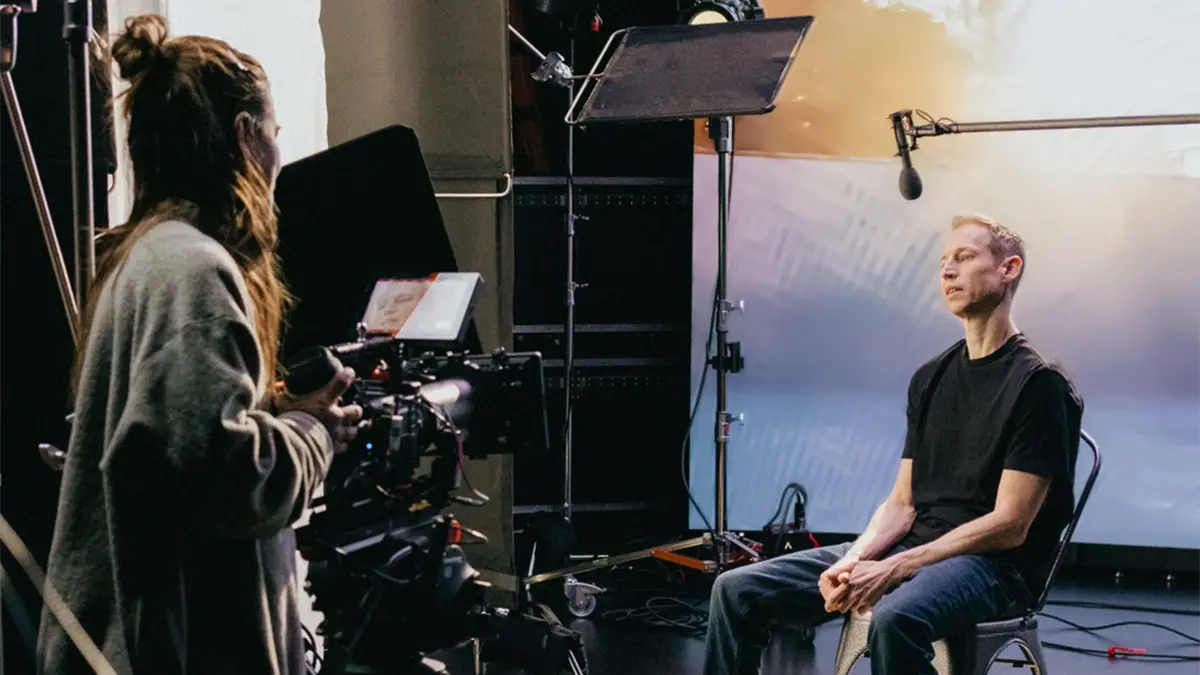
Marketing directors are actively shifting from generic content to strategic films focused on broad corporate and brand goals. Both commercial and...
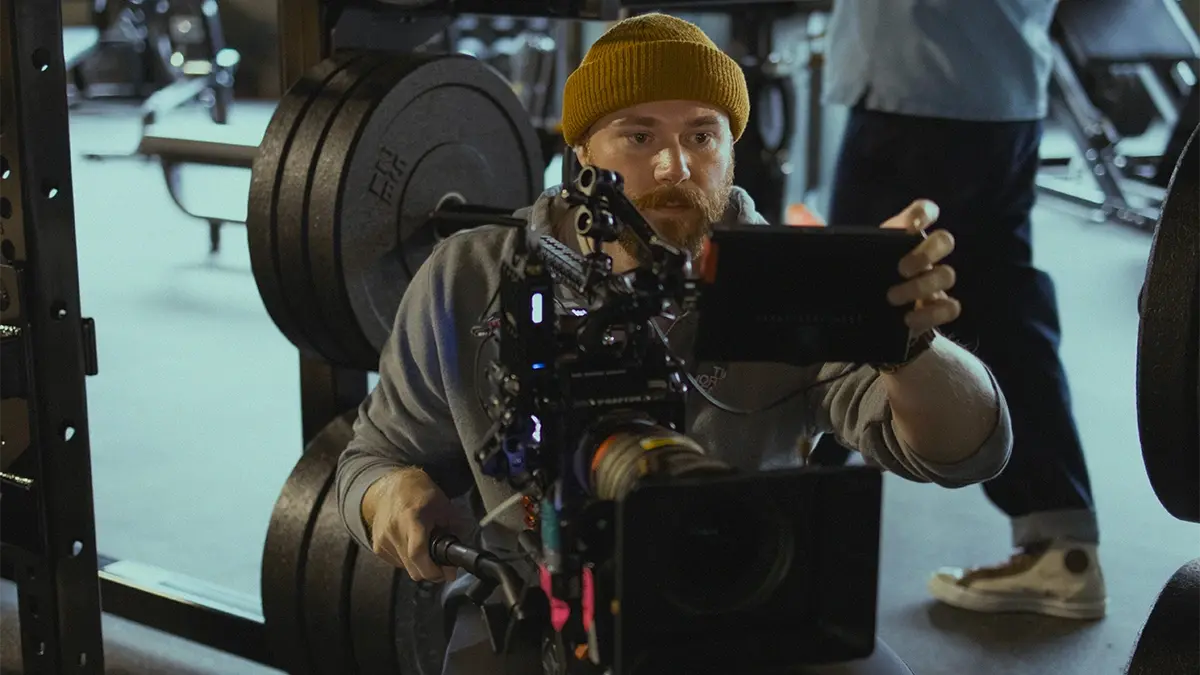
A great brand film can define how people see your company — and the partner you choose to make it is the difference between one that lands and one...