
Measuring Brand Equity: Strategic Films That Build Value
Brand equity is the long-term value you build through trust, memorability, and a well-established brand meaning. Films, and especially narrative...
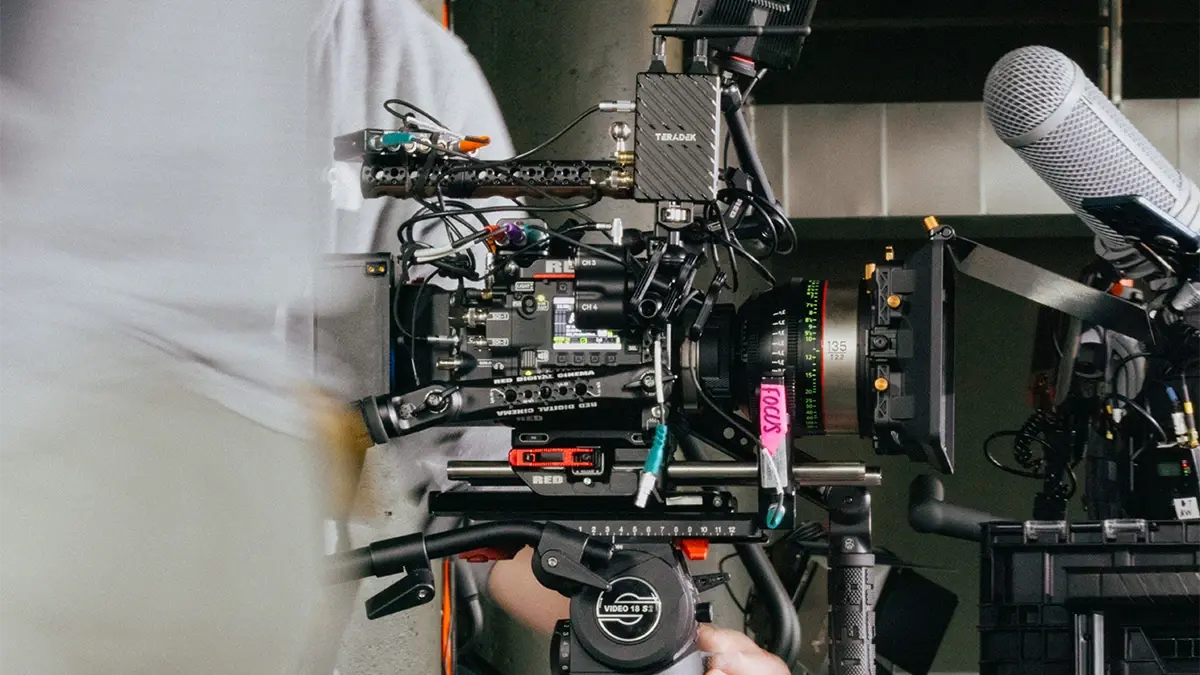
It's easy to look at a movie and say whether you think it looks "cinematic" — but what specific elements give a film that cinematic feel? Is it the colors, the visual depth, the framing and composition, or the way all of it ties into the broader narrative?
Cinematic videos look, sound, and flow better than most other video projects, helping you engage viewers and successfully deliver your message. That said, "cinema" isn't defined by a single video element.
Discover how to make cinematic videos that resonate with your unique audience and brand.
Cinematic videos describe practically any film content that effectively blends high-quality visuals with visual storytelling. They typically have a more professional, fine-tuned look than standard video content and use their elevated aesthetics to drive emotional impact.
Cinematic film production requires careful attention to detail and intentional creative decisions. Every detail, from shadows to background props, should add to the video's narrative for a truly immersive visual experience. Imagine your footage playing in a movie theater or on a $5,000 flat-screen TV rather than someone's phone — will you shrug off a messy background or unmotivated camera framing, or will you take the time to optimize every moment of screen time?
Cinematic videos generally include the following components:
A lot goes into cinematic films. You'll typically need to consider various elements and delegate across multiple production teams to capture your vision fully.
First, consider your target audience, including the various demographics you're trying to reach. This will help determine nearly every aspect of your video content, including its focus and the platforms you share on. It can also help you establish clear goals based on where your audience falls in the sales funnel.
For instance, prioritize brand awareness and recognition goals for B2B consumers early in the sales funnel. Meanwhile, work to build trust and authority when marketing to existing consumers.
Understanding who your cinematic film is for and what influences their purchasing decisions must also guide your intentional storytelling. Business goals and calls to action are essential, but don't forget to consider your film's ideal setting, the conflicts audiences will relate to, and whose perspective to tell your story from.
Depending on your content, you'll likely need to appeal to multiple demographics for the greatest impact. Key factors to identify your target audience include:

Once you've defined your target audience, create a compelling story arc that motivates them to watch. Your video should resonate with viewers on a personal or primal level, letting them see themselves in your story.
A fully fleshed story should include relatable characters, familiar (or at least recognizable) settings, clear conflicts and stakes, and an arc or change by the end of the narrative. While this may seem like a lot to pull off in 15 to 60 seconds, the art of cinematic storytelling makes it easy if you approach production with a creative mindset and established film techniques.
Cinematic storytelling strategies for connecting with your audience include:
Once you have your idea, begin storyboarding and drafting a creative brief. Write down every idea you have for your project, including the details you must focus on and any specific visual shots. This will help you identify the parts of your video and narrative that need attention.
Your exact camera settings will depend on the content and emotions you're trying to capture. Brightly colored films with deep saturation can evoke themes of joy and opportunity, while darker, desaturated shots create a thoughtful, dramatic ambience.
The best cinematic film camera settings include:
Shadows can add an interesting element to your cinematic video, establishing a sense of uncertainty or drawing attention to specific details. However, they have to be done right. Unintentional shadows on people's faces, key props, or across the background can distract viewers and impair the video's cinematic quality.
A comprehensive lighting setup will limit shadows and give you more control over your final picture. Most productions generally need at least three lights:
You may not need to focus much on lighting if you're using natural lighting, such as during an outdoor daytime shoot. However, you should still have a key light ready to make your subject stand out.
Video editing is an essential yet often time-consuming part of post-production. Editing one minute of footage usually takes one hour — but you may need to allot more time for color correction and finishing touches to make your final cut more cinematic.
Cinematic video editors focus on the following details:
Even after you've finished editing your video, you'll still have a lot to consider before publishing or posting it anywhere, including:
Even with a strong narrative and concept, simple production errors can disrupt your cinematic storytelling and cast your brand image in a bad light.
Be aware of these common mistakes when making cinematic videos:
Producing a cinematic film in-house takes a lot more resources than you'd initially think, from equipment, rental, and insurance costs to the hours of labor to learn the craft and produce your film. A professional partner lets you maximize cinematic quality without losing creative control or overwhelming your marketing team's schedule.
As an experienced film production company, Charter can help you create engaging and cinematic videos for your unique audience. Our expert team includes producers, writers, camera operators, editors, animators, and more, ensuring each stage of the production process falls into practiced hands.
Contact us today to discuss your next film project.

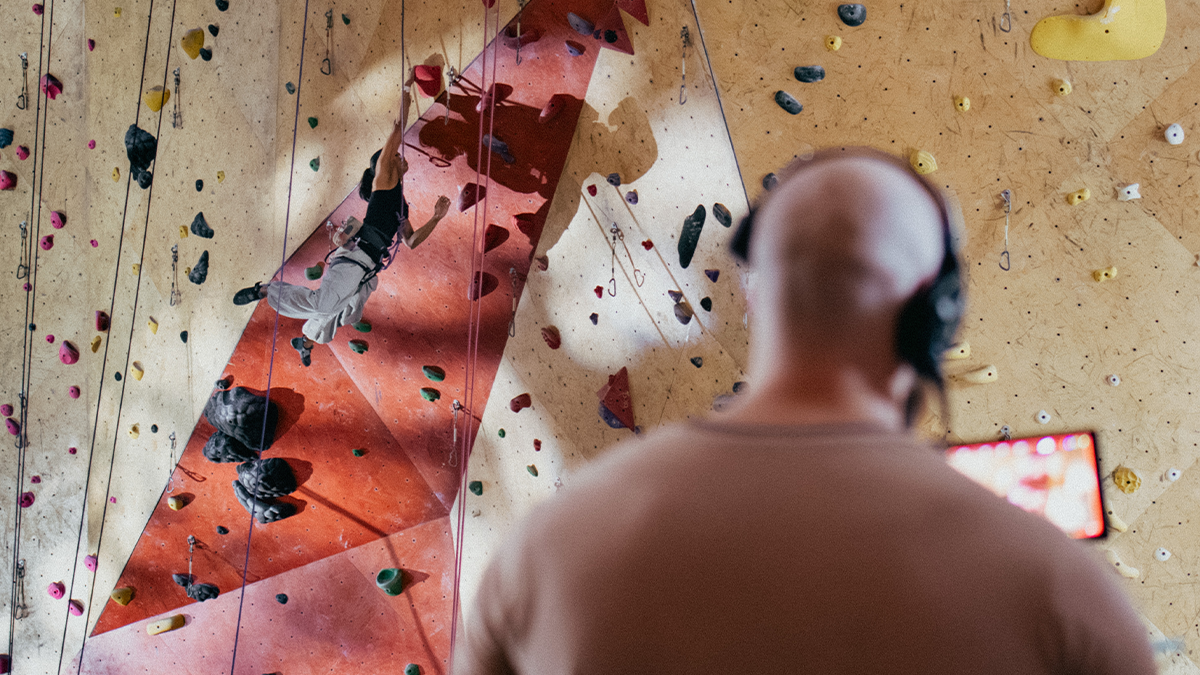
Brand equity is the long-term value you build through trust, memorability, and a well-established brand meaning. Films, and especially narrative...
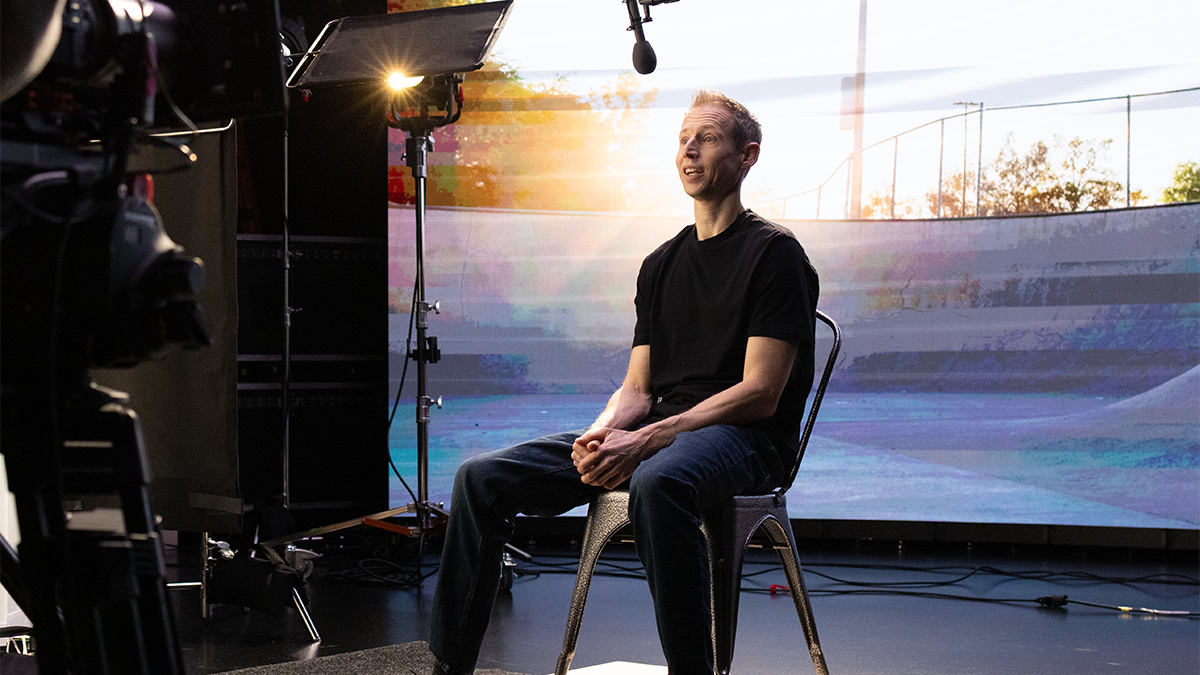
Filmmaking has the almost-magical ability to teleport viewers to a new world and deliver messages in an engaging way. Corporate film production isn't...
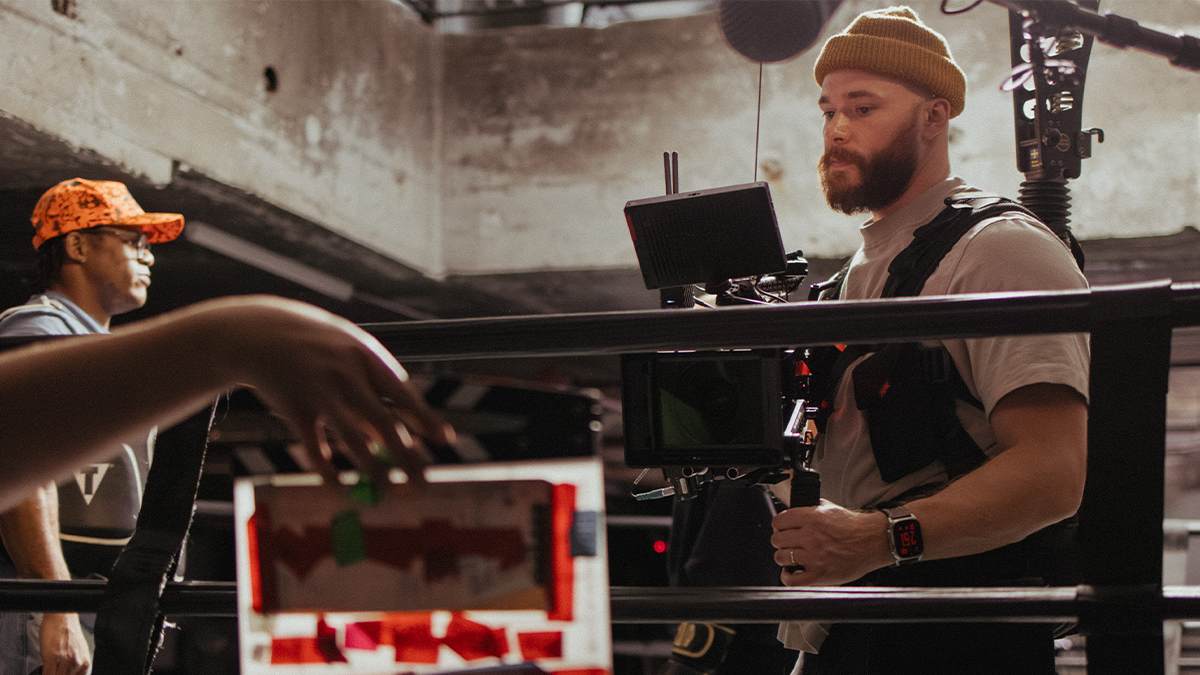
Film offers a unique medium to capture your audience's attention, drive emotional connection, and share what makes your organization so special....