
What To Look for in a Marketing Video Production Company
A great brand film can define how people see your company — and the partner you choose to make it is the difference between one that lands and one...
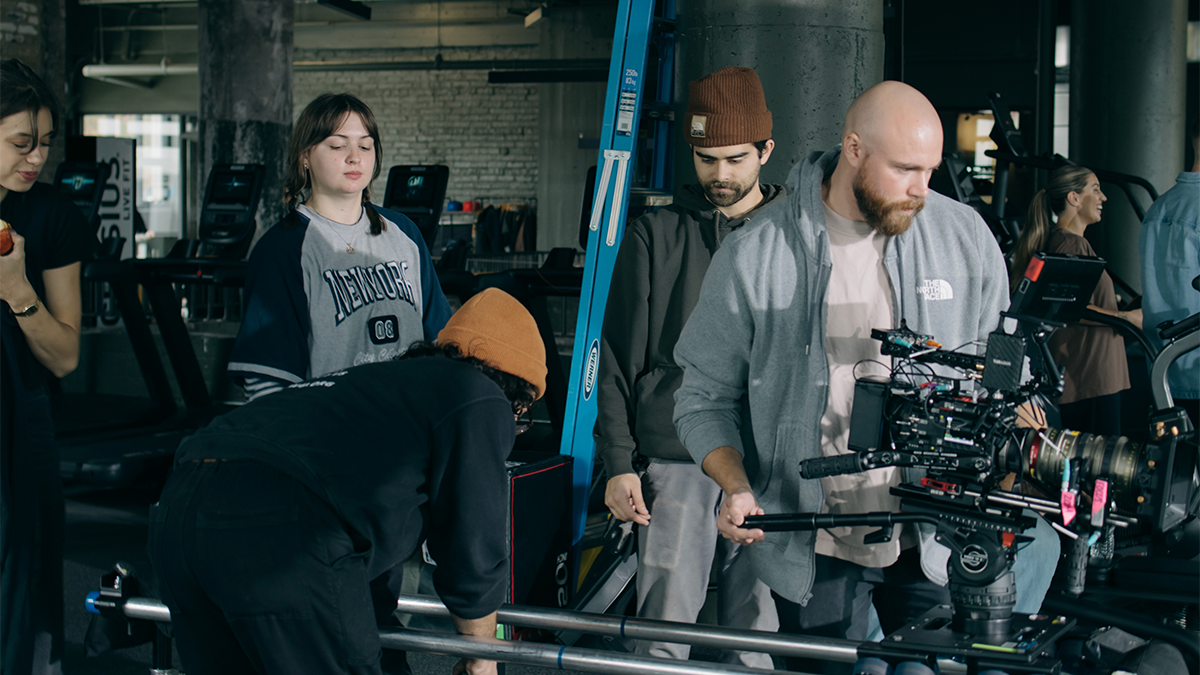
High-quality brand films aren't made overnight — they require comprehensive production processes, along with professional equipment, an experienced crew, and clear narrative intent.
Some brands approach video production solely using in-house resources and teams. While it's certainly possible to produce a visually engaging film this way, you must be prepared to invest time and money in finding the right equipment and learning the craft of production.
Alternatively, many brands turn to professional video production services. An experienced and collaborative team can walk you through each stage of film production, handling the logistical and time-consuming steps while leaving the creative decisions to you.
These production experts understand the craft of video production for brands, from how camera angles influence tone to the best lenses and lighting setups to keep everything clear and in focus. Still, even if you're working with a professional team, you should still know a bit about video production to fully optimize your film content.
Here's everything you need to know about video production, including key stages, benefits, tips, and video types.
Video production is the process of creating content for digital videos. The production process is typically categorized into three distinct phases: pre-production, production, and post-production.
Modern video production evolved from traditional filmmaking, which originated in the late 1800s with the invention of the first video cameras. While early films could only capture black-and-white silent footage, "The Jazz Singer" — released in the 1920s — was the first film to include sound. In the 1930s, color film gained popularity, and the first television commercial was created around 1940. This event changed film production forever, shifting the focus from entertainment (in the form of television and movies) to also include advertising.
Since then, video production and marketing have continued to change. After YouTube was created in 2005, video became even more prevalent as it began being used for streaming from computers and smartphones. The introduction and rapid growth of video-based social media platforms, such as Instagram and TikTok, have continued to make video a priority for both personal use and brand marketing.
As social media has become increasingly commonplace, video production has become more important than ever for companies looking to establish an effective branding strategy. More than one billion hours of video are watched every day on YouTube, and users spend 88% more time on a website with video. These stats showcase the unbeatable engagement generated by well-crafted video content.
To stay relevant in the current landscape, marketers must include video content in their overarching strategy to see results. 82% of marketers say video content has delivered a high return on investment (ROI) while meeting various marketing goals, such as increasing sales, driving web traffic, and improving website retention.
While film production used to be only a small part of a larger brand strategy, it has grown to be an integral part of promoting brands and products across channels. From stand-alone video posts on TikTok to films embedded in website pages and marketing emails, video production is a must-have component of any holistic branding strategy.
Now that you know the three stages of the video production process (pre-production, production, and post-production), let's dive deeper into each.
The pre-production phase builds the foundation for a successful video. It focuses on research, planning, and organizing everything needed during the production phase. Pre-production includes project management and logistical steps, such as setting the strategy, aligning on goals, scouting locations, and establishing budgets and timelines. It also requires more creative pursuits, such as scriptwriting, storyboarding, casting, and set design, to establish a clear vision.
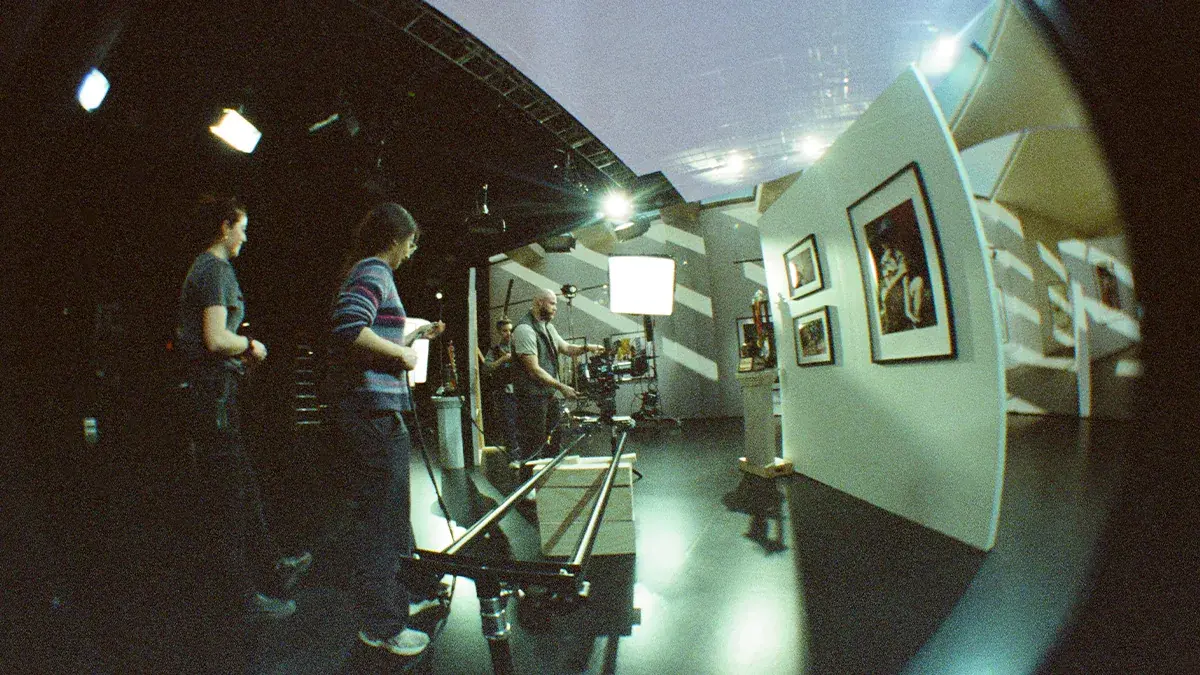
The production phase is when the actual video footage is shot. During this phase, videographers and other crew members capture raw footage and audio for use in post-production. Production usually requires multiple crews to bring everything together, including the set, sound design, lighting, and equipment. If voice-overs or B-roll are required, they are also captured at this stage.
After the footage is captured, the post-production phase begins. Here, the producer and editor work together to review all the footage, organize it, cut it down, color grade it, and piece it all together based on the original project brief. They may also include music, sound effects, voice-overs, motion graphics, and animation to tell the best story and deliver a clear message.
Post-production is also when the client reviews the video and requests any edits. Once the video has gone through any necessary rounds of revision, it's delivered in the correct sizes and formats for distribution, based on each platform's unique specifications.
While video production is often used purely for entertainment purposes, it's also an important piece of any business's marketing strategy. Video branding is a proven tool that helps businesses across industries improve audience engagement, increase brand awareness, and drive outcomes.
Nowadays, "marketing" and "branding" go beyond print ads and direct mail. To remain competitive, companies must include multimedia content in their marketing materials, from webpages to social media to email marketing.
US homes with internet are now watching over 43 hours of video every week across multiple devices, and short-form videos remain the most popular type of content on nearly every social media app. Simply put, video is an excellent way to reach audiences because of how much people consume it, including in their free time.
Benefits of video production for brand and marketing goals include:
Build video into your broader brand strategy, rather than treating it as a one-off asset. Start with the story you want to tell and who it's for, then plan the pieces you'll need to tell it. Consider the types of films and which platforms will help you best reach your audience — your website, social media, email campaigns, or product pages — and how they connect, so each piece builds off the others to form a cohesive brand message.
Once your films are out in the world, pay attention to what's resonating with your audience. You're looking to learn which stories hold attention and which get shared or spark conversation. Metrics such as dwell time, click-through rates, and conversion rates help you understand which content is landing, so you know where to invest next and which types of videos to continue creating. Over time, you can turn a series of one-offs into a body of work that deepens recognition and trust.
Many different types of video content may help you achieve your marketing goals and grow your business, depending on your company, industry, and audience.
You can approach all video production types in a few different ways. For instance, you can create videos using animation and graphics, or with live action, using actors, interviewees, or employees. Videos can also be any combination of the two.
No matter which approach or video type you choose, be sure to keep your target audience and brand pillars in mind. This will help not only to ensure that the final video meets your marketing objectives, but that it looks and feels on-brand.
Promotional videos or "promos" are designed to help increase awareness of a product, service, or event. They are commonly used to promote upcoming product launches, events like sales or holidays, and new and exciting offers while making your offerings stand out.
Unlike promo videos, brand videos typically focus on your broader organization rather than a specific offering to drive brand awareness, authority, and trust. These short videos communicate a company's mission, vision, and values to the target audience in a compelling and interesting way. They often use narratives to elicit strong emotional engagement, such as by highlighting your company's origin or a real customer's success story.
Not only do brand and commercial videos help capture the attention of new potential customers, but they can also help increase brand loyalty among existing customers. This way, you can reach audiences across various points of the sales funnel.
Product video productions are designed to showcase a particular product by highlighting its unique selling points and benefits. Whether physical items or software products, these videos show viewers how the products work, walk them through all the features, and provide an engaging, entertaining way to make the products really shine.
For instance, a product video could first introduce the product's basics before spotlighting its key features and differentiators. This way, viewers know exactly what it does and why it stands out from the competition.
Product demos are a more focused type of product video that provide a clear, practical walkthrough. They typically focus on how to use the entire product or a specific feature or function while subtly spotlighting what makes this solution unique.
While demos can serve as tutorials for customers who have already purchased your product, their primary audience is potential consumers. They aim to give viewers one last nudge to purchase by showing your product and its features in action.
Explainer videos help educate the audience on a particular topic, event, or product. These short-form videos aim to answer all potential questions viewers may have while casting your offerings and brand in a positive light. They make complex topics much more understandable and approachable while demonstrating how your offerings work in action.
Though explainers are often used to market products, they can also be used in more tactical ways, such as in training and corporate videos.
Great videos may look effortless, but that ease is the product of deliberate craft at every stage. Here's some of the decisions and details that go into professional production.
While the best films may look effortless, countless hours of creative and logistical planning likely went into them before filming.
For the creative side of pre-production, teams craft detailed scripts, storyboards, and shot lists, and think through casting, locations, wardrobe, art design, and sound design in advance. This ensures the video looks professional and polished when it comes time to edit.
For the logistical side, the pros plan out schedules, budgets, equipment, insurance, permits, and all practical production needs before anyone rolls. This keeps things running smoothly and efficiently and protects your budget, too.
When shooting, the location is just as important as the script, actors, and equipment. The location can establish a clear setting, contribute to your visual aesthetic, and influence how much subjects pop on screen.
Professional teams scout locations in advance to confirm they meet the shot list and to catch red flags like background noise, difficult light, or no power access.
The quality of light makes a huge difference in footage. Professionals shoot outdoors in early morning or late afternoon to avoid harsh midday light. This soft, natural lighting makes subjects pop with a warm, flattering look while avoiding harsh shadows or overexposure.
For filming indoors, the pros recreate that soft look indoors with warm sources and diffusion. Virtual production studios use specialized light-emitting diode (LED) walls and lights to realistically simulate outdoor settings, allowing for outdoor scenes without the risks of actually shooting outside.
Music and sound design are amazing ways to enhance a film's immersion, aesthetic, and emotional impact. Music selection offers an easy way to set the tone and enhance the footage, especially if editors to edit to music during post-production.
Whimsical and cheeky sound design is also a creative way to make social media content more engaging. For example, a cartoonish "whoosh" can make an animated transition more noticeable.
During the production phase, pro teams make a point of capturing scenes from multiple angles. Whether they're working with actors, interviewing an expert, or gathering testimonials, a variety of shots to choose from allows for more creative freedom during post-production. This helps keep the final video visually diverse and interesting, making it look more professional, dynamic, and engaging.
Oftentimes, less is more. Editing professionals know this better than many. They work to remove any unnecessary shots, minimize noticeable transitions, avoid distractions, and keep things simple overall. This improves the overall video production, lets the footage shine, and keeps viewers focused on your story and message.
Framing follows principles like the rule of thirds — subjects and key elements positioned along a grid's lines and intersections — so every shot feels balanced and intentional
While creating a high-quality video in-house is possible, hiring an experienced video production company can streamline the whole process. These companies are often filled with seasoned industry experts who have created dozens of different videos, from full-length feature films to 30-second social media clips. This makes them powerful partners for your brand — they can help you more effectively create high-quality videos that engage your audience and support your marketing goals.
Beyond their vast experience, there are a few specific reasons why hiring a video production company may be a smart choice for your specific project. Below are a few ways to tell when your business needs professional video production.
Professional-quality video production requires extensive equipment, including specialized cameras, lighting, audio, and editing software. While a company can purchase everything to produce a video in-house, this approach can be incredibly expensive due to the high cost of equipment and its depreciation over time.
Hiring a professional film production company doesn't just give you access to the experts themselves but also their arsenal of high-quality equipment. The right tools (and a team that knows how to use them) can simplify the process of producing a high-definition, high-impact film.
Though most production teams have access to standard equipment, you may need to take more time looking for teams with specialized tools, such as drones or LED volumes. Consider the resources you'll need for your project to identify what to look for in a professional production company.
Experienced film production companies have likely worked with clients to make hundreds or even thousands of videos. These teams often have the art form down to a science, allowing them to make each production a highly optimized and streamlined process — especially for you.
Professional production companies have refined every stage of the production process to be as efficient as possible, from scriptwriting to editing and distribution. This will help keep your project both on time and on budget while keeping your final product true to your original creative vision.
Even if your production partner doesn't have the specific equipment or skills your project needs, someone in their network might. Many video production companies work with a seasoned group of contractors and freelancers, depending on their clients' needs. From producers to photographers to editors, they can mix and match their team from this talented pool to curate the best possible group for any particular project.
For example, a production company may have contacts to handle drone footage, audio cleanup, and complex color correction for projects outside their typical scope. Alternatively, a smaller production team may have one or two camera operators on staff but a handful of contractors they can call when they need multi-camera setups, such as for live events.
While sourcing freelancers on your own is possible, it's a time-consuming task that doesn't always work out. Instead of wasting time and resources finding the right team, a video production company can assemble the right people in a short period to get your project started as soon as possible.
The right film production team will bring this — and more — to bring your vision to life and expand your video branding efforts.
Video production is an important part of successful marketing and branding strategies. Though film branding can be time-consuming, expensive, and complicated to execute, it doesn't have to be.
Partnering with the right film production company allows brands to outsource their needs — and receive professional, high-quality, engaging video content in return. Most importantly, you don't have to worry about sacrificing your vision or brand identity. Collaborative teams involve you in creative and decision-making processes (along with any other steps you want to be part of), ensuring the outcome feels authentic to your brand and project goals.
Charter is an award-winning, full-service video production company that helps bring brand stories to life through cinematic storytelling. With a talented team and an extensive network of experienced freelancers, Charter has partnered with over 60 brands across industries to help generate over $35 million in campaign revenue.
Get in touch today to learn more about the Charter team and get started on your next brand production project.
Video production is the process of creating film content, bringing it from concept to delivery. It typically includes three phases: pre-production, production, and post-production.
Video production boosts brand awareness, recall, and trust through engaging visuals and stories that leave lasting emotional impacts. Over 80% of marketers report video content contributes to increased ROI, sales, leads, traffic, and website retention.
The stages of film production include pre-production, production, and post-production.
Pre-production focuses on planning your project and production timeline through both logistical and creative steps, such as scriptwriting, casting, and location scouting. Production, or "principal photography," is the stage where you film footage and record voice-overs, and post-production is where you edit everything together, finalize, and publish.
Common types of videos for branding and marketing campaigns include promotional videos, brand films, product demos, explainer videos, event coverage, and testimonials.
Deciding whether or not to partner with a professional film production team ultimately depends on your project's resources and goals. Hiring a video production company gives you access to professional equipment, experienced teams, and a streamlined process for creating high-quality videos. This saves your internal team time and energy while letting you optimize your film's potential quality.
Standard film production equipment includes cameras, lighting kits, microphones, tripods, and editing software. That said, your production may require (or benefit from) other specialized tools, such as virtual production stages for multi-location shoots or gimbal stabilizers and camera tracks for smoother footage.
Video production timelines vary by each project's needs and distribution goals. That said, video production typically takes days or weeks of pre-production planning, one to three days of filming, and additional time for editing and revisions. Specialized needs, such as animation or multi-day event coverage, can drive up your timeline even more.
Fortunately, some video production services include expedited options for projects with tight deadlines.
A videographer is an individual who shoots and edits video, primarily focusing on the camera rather than the broader production process. Meanwhile, a full-service video production company offers a full team and broader services from planning to delivery, helping you optimize every aspect of your production.
A video production plan outlines the steps, timeline, budget, and resources needed across pre-production, production, and post-production phases. This keeps all teams and steps aligned on the same creative vision.
High-quality film production can raise your brand equity by driving engagement, awareness, recall, and trust that lasts long beyond your video's runtime. Comprehensive production plans also focus on distribution to optimize your film content to your audience's interests and each platform's unique needs.

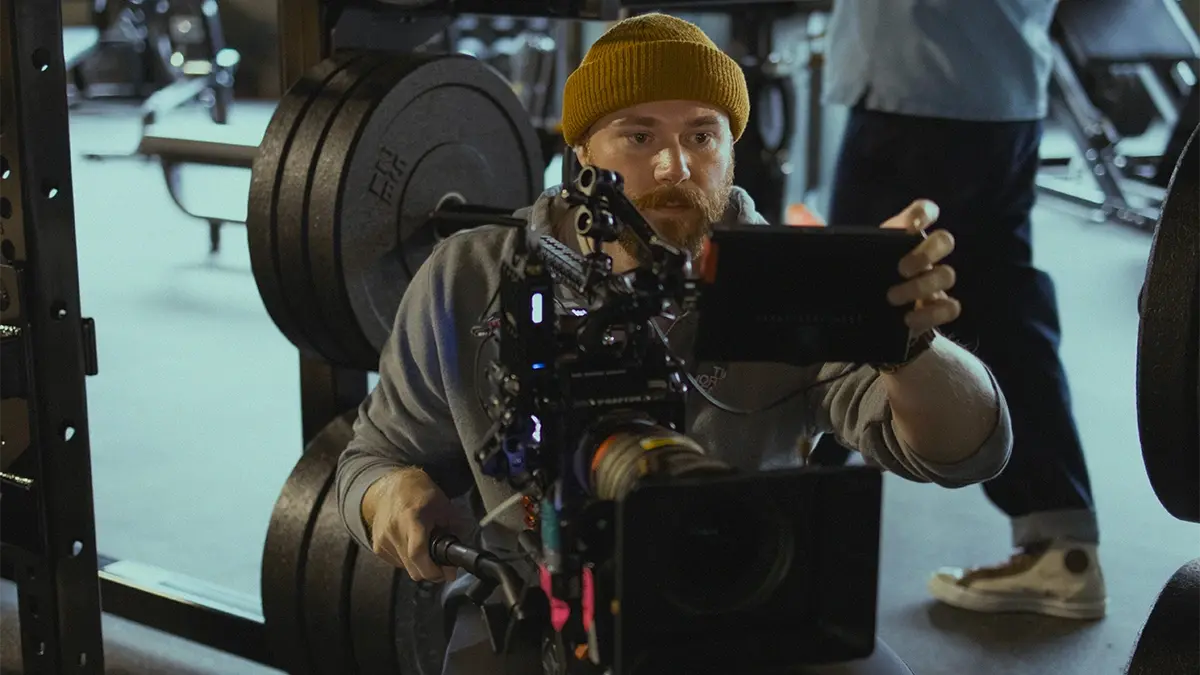
A great brand film can define how people see your company — and the partner you choose to make it is the difference between one that lands and one...
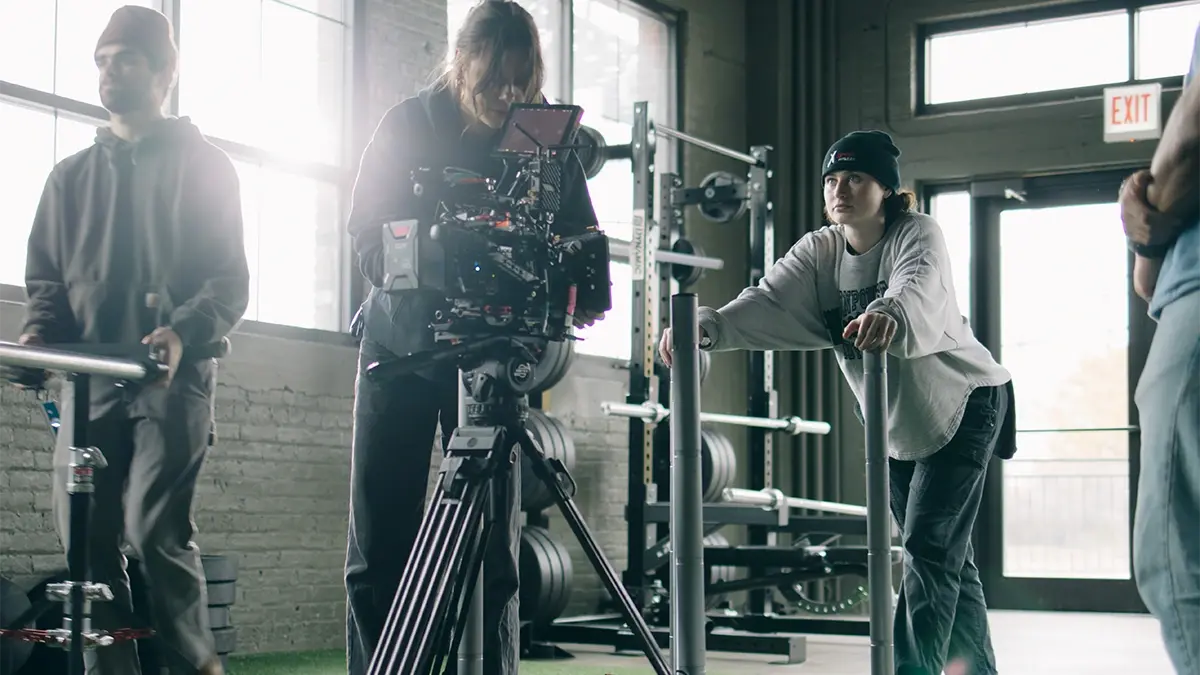
Commercial films give your brand an unrivaled way to deliver your message and leave a strong impression with key viewers. By combining audio and...
The current landscape of brand film production is all about social media, popular trends, and businesses' unique goals. Marketing directors are...