6 min read

8 Visual Trends Changing Modern Brand Film Production

8 Visual Trends Changing Modern Brand Film Production
12:03

The current landscape of brand film production is all about social media, popular trends, and businesses' unique goals. Marketing directors are shifting from generic content to cinematic brand storytelling that commands attention.

With online trends always changing, even the most comprehensive guide to film production won't tell you exactly how to succeed in today's specific digital landscape (unless it was just published this morning). Instead, you must continuously keep up with the latest branded film trends and target audience behaviors. Understanding these trends is crucial for creating a brand film that stands out to audiences and "the algorithm."

Explore the eight visual trends changing in modern brand film production to improve your visual language in marketing.


1. The Rise of Lo-Fi Aesthetics and Radical Authenticity

Creating a cinematic aesthetic requires more than high-quality equipment and pre-production logistics. It demands strong creative direction and authenticity to make your film stand out from the rest.

Many branded content productions now use low-fidelity (lo-fi) and radical authenticity aesthetics that move away from the heavily polished, sterile corporate visuals. These similar aesthetics often have grainy, film-like textures and imperfect framing. This builds trust, keeps your film grounded, and drives human connection by maintaining a high-budget feel.

Lo-fi aesthetics often integrate strong color themes, such as with blues and purples, to create a calming and welcoming ambience. The audio is intentionally imperfect. Some editors and sound designers add hiss and static, making it sound like you're listening to an old record player.

Radical authenticity's aesthetic isn't as well-defined, which is the point. Similar to a mood board or the stickers on someone's laptop, radical authenticity is about showing off the various qualities that make your brand unique. This grounded and vulnerable approach can strengthen trust and emotional connections with target audiences.


2. Cinematic Composition as a Marker of Brand Authority

Many brands treat their films like independent cinema, using strategic composition to grab viewers' attention and deliver their desired message and themes.

Your film's composition comprises all visual elements that impact viewers' experiences and your brand image, including:

  • Lighting: Strong lighting gives your film a professional appearance and makes your actors and products stand out on screen. Three-point lighting techniques use a key light focused on the subject, a diffused fill light for the background, and a backlight that makes the subject glow.
  • Camera positioning and framing: Close-up shots, over-the-shoulder shots, and other framing techniques can drive specific emotions and keep audiences focused on key details. For example, wide shots establish your setting and tone, while close-up shots of actors drive emotional connection to your characters and conflict.
  • Camera movement: Soft camera movement keeps your film visually engaging and directs viewers' eyes to key details, such as character reactions or product placement.
  • Depth of field: Differentiating your subject from the foreground and background elevates your film's cinematic quality and immersion, especially with strategic blocking and camera lens choices. For example, anamorphic lenses create a premium, large-scale feeling using shallow depth of field and a wide field of view.
  • Post-production enhancements: The editing process gives you a final opportunity to refine your cinematic composition, such as by cropping footage for better framing or recoloring your film for a stronger aesthetic.

Leveling up your film's composition with cinematic techniques and equipment can help you elevate your brand authority. After all, your film may serve as many potential consumers' first impressions of your brand. High film quality and attention to detail reflect positively on the rest of your business, building trust and encouraging them to take your message seriously.


3. Intentional Pacing and the Psychology of the 20-30 Rule

The speed of your film's action, dialogue, cuts, transitions, and other factors that shape viewers' experience all impact the pacing. Brand film production benefits from various types of pacing, depending on your goals and intended tone. Fast pacing quickly engages viewers and holds their attention, while slower pacing gives viewers more time to focus on each detail of your message.

Beyond specific timing, your edit should also be cohesive and keep your audience immersed in the reality of your story. "Jump cuts" can disrupt your pacing by taking viewers out of the moment and making them think more about your production process than the story itself.

Many brand filmmakers follow the 20–30-degree rule during production and post-production to maintain continuity and cohesive pacing. This rule claims that every camera angle should be at least 30 degrees apart with at least a 20% difference in shot size when shown back to back. This prevents your transitions from looking like jump cuts to boost brand confidence and messaging.


Bespoke Color Grading for Immediate Brand Recognition

You can also speed up your pacing by immediately reinforcing brand recognition and visual identity. Bespoke color palettes give your brand films signature looks that are instantly recognizable across all of your campaigns.

The right on-set color choices and color grading can help repeat viewers immediately remember what they liked about your first brand film. This way, they can pick up your new message where your last narrative left off.


4. Virtual Production and the Evolution of Immersive Environments

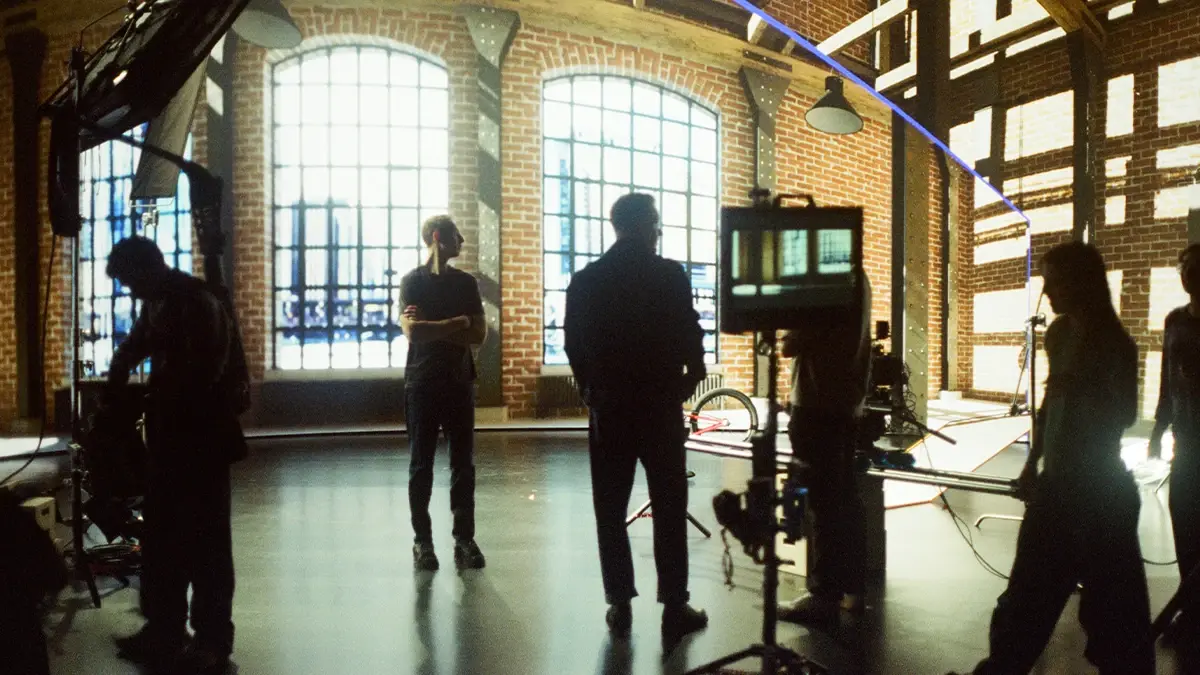
Modern brand storytelling strategies are actively shifting from green screens to virtual environments created with light-emitting diode (LED) volumes. First introduced in The Mandalorian, these massive screen-built walls create practically any location you want using visual effects (VFX) and in-studio lighting.

This level of efficiency and creative control expands what you can achieve with your high-end film production. Partnering with a brand film production company that offers LED volume technology, such as Forge Virtual Studios, lets you reuse backgrounds and other visual assets across campaigns.

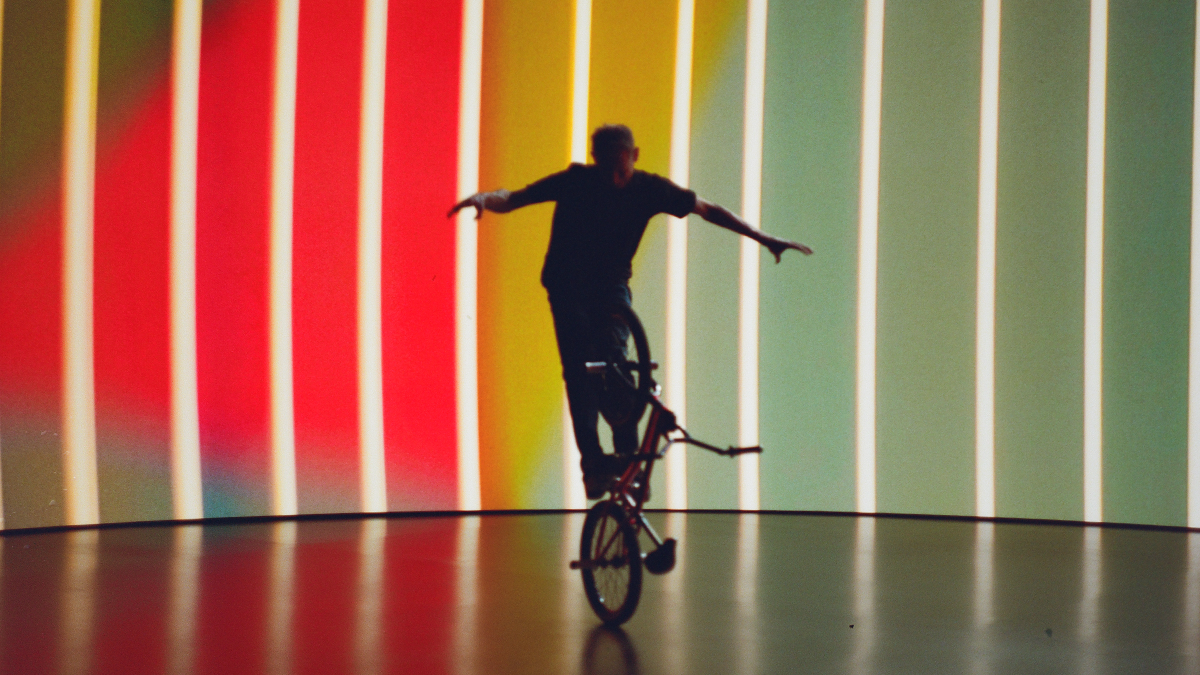
For instance, you could rework a minimalist background with moving lines and your company colors to keep your brand films visually engaging and drive recognition. Alternatively, you could use an LED volume to recreate outdoor settings and avoid the drawbacks of filming outside, such as travel, inconsistent lighting, and weather.


5. Documentary-Style Realism in Purpose-Driven Narrative

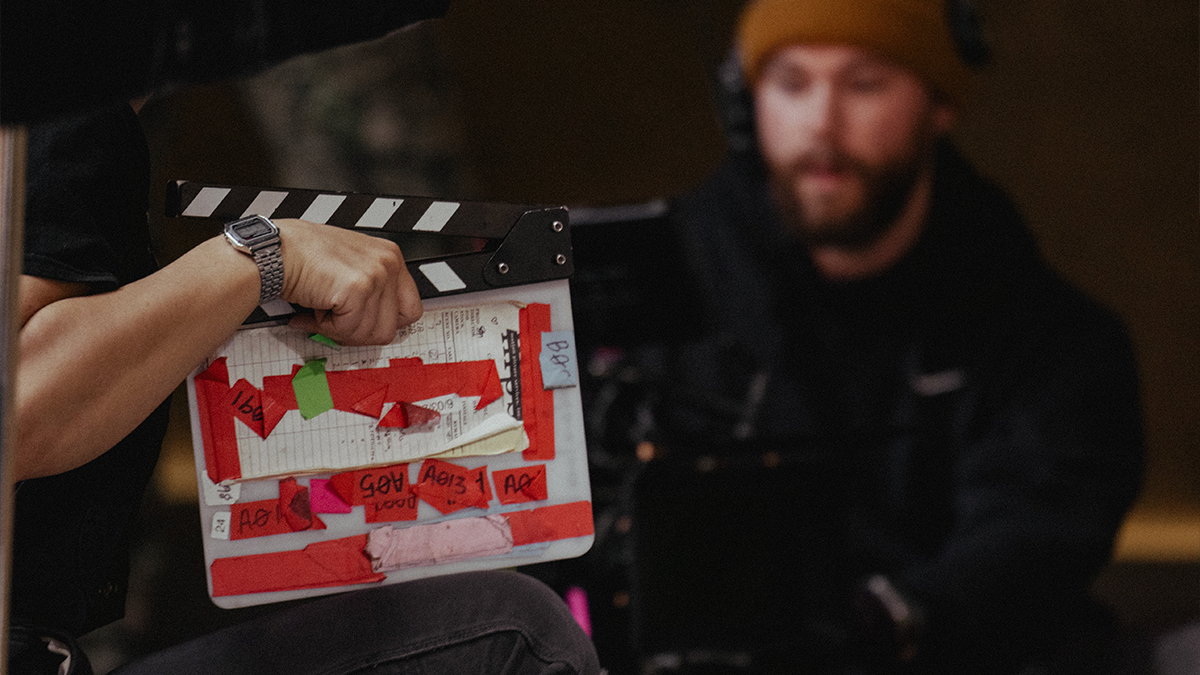
Brand films elevate your brand image and perception by showing consumers what your organization is all about, from your employees and customers to your company values. Many films leverage behind-the-scenes footage to add a layer of craftsmanship and transparency to the brand story.

This branded film trend of showing "how the magic happens" integrates various documentary strategies, such as:

  • Interviews: Interviews with leadership and employees, such as a floor manager, can show off your business's values, mission, operations, and culture. Alternatively, interviews of clients, customers, and other stakeholders can raise your social proof and share how your brand genuinely improves people's lives.
  • B-roll footage: B-roll is typically non-essential footage that improves transitions, raises your film's visual experience, and supports narration and interviews. Examples of B-roll for brand films include behind-the-scenes footage of your workplace, wide establishing shots of your business, or insert shots of your products.
  • Motion graphics and text: On-screen text and graphics add information and elevate your message without increasing runtime. For example, "lower thirds" in an interview quickly establish speakers' names and job titles without any extra dialogue.


6. Visual Modularity for a Multi-Platform World

Your brand storytelling strategy should traverse multiple platforms and media to reach your intended audience. Many of these platforms require (or at least prioritize) specific compositions and formats:

  • 9:16 aspect ratios that fill the full vertical phone screen work best for TikTok posts, YouTube Shorts, Instagram Reels, and social media stories.
  • 4:5 aspect ratios take up less of the screen, allowing you to accompany your brand film with a caption on Facebook, Instagram, and Instagram posts and ads.
  • 16:9 aspect ratios leverage the classic widescreen format for YouTube, streaming ads, LinkedIn posts, and website content.

Fortunately, you shouldn't have to produce an entirely new film for each social media app. Post-production strategies let you repurpose content and adjust aspect ratios, framing, runtimes, and file formats for each platform's needs.

Remember, a "mobile-first" approach doesn't mean you should deprioritize quality. Quality visuals shine just as well on the small screen as they do on the big screen — in fact, some viewers may pay more attention to details on their phone than on the TV. Partnering with a professional marketing film production company, such as Charter, can help you maintain premium visuals and leverage the small-screen format.


7. Mixed Media Integration for Interactive Brand Experiences Building

High-end film production often leverages various media and visual elements to support engagement and effective messaging. This integration bridges the gap between digital brand experiences and physical products, helping viewers understand your offerings (and your brand) beyond the packaging.

Your brand film could use several types of media, including:

  • Live-action footage: This includes any footage you capture on a camera, such as interviews, B-roll, stock footage, and event coverage.
  • 2D and 3D animation: Support your message and visual identity with graphics and 3D elements. For example, you could bring your company logo to life with motion graphics or animate blueprints to showcase how your products work inside and out.
  • Augmented reality (AR) overlays: These interactive features boost engagement by letting social media users interact with your film, such as by digitally trying on outfits or customizing their experience.
  • Audio: Narration, voice-overs, interview audio, sound effects, and music can add layers to your film's experience by expanding your message and supporting your desired tone.


8. Tactile Textures and the Return to Practical Visual Effects

We can often subconsciously recognize when visuals are created with VFX, computer-generated imagery (CGI), or artificial intelligence (AI). While these tools can be useful in the right contexts, they may detract from the grounded, realistic tone you want to set for your brand film.

Both Hollywood and branded film trends reflect a return to practical effects and physical sets that ground films in reality. Real-world elements and narratives signal a commitment to quality and handmade excellence that resonates with high-tier leads.


Applying Visual Strategy to Your Brand Film Production

Combining brand film production trends into your campaign strategy helps you deliver a clear, engaging message and leave lasting impressions. The right storytelling strategies and visual language can reframe your brand from a service provider into a category leader.

Are you ready to elevate your cinematic quality with visual choices that fit your brand strategy? Get in touch with our strategic production team to discuss how Charter can help with your next project.


About the Author
Drew English

Drew is the co-founder and CEO of Forge Virtual Studios. He frequently writes about the intersection of craftsmanship, creativity and technology in the film industry, as well as creative entrepreneurship. You can keep up with Drew's thoughts and other Forge updates by following him on LinkedIn.

Related posts

Brand Films: Crafting Stories That Create Lasting Impact

Brand Films: Crafting Stories That Create Lasting Impact

Modern branding requires you to step away from just short-term content strategies. Instead, embrace evergreen content that speaks to your...

Read More
How to Build Brand Equity Through Film: A Narrative-First Framework

How to Build Brand Equity Through Film: A Narrative-First Framework

Building brand equity through film strengthens viewers' perception, recognition, and trust in your business. Rather than promoting the next sale or...

Read More
Filmmaking for Brands: From Concept to Campaign Impact

Filmmaking for Brands: From Concept to Campaign Impact

Almost everyone has an idea what film production looks like for Hollywood's big-screen stories, but what is filmmaking like for brand films? Brand...

Read More