7 min read

Brand Films: Crafting Stories That Create Lasting Impact

Brand Films: Crafting Stories That Create Lasting Impact
13:37

Modern branding requires you to step away from just short-term content strategies. Instead, embrace evergreen content that speaks to your organization's values, mission, and personality. Brand films give you a film-led storytelling format built for long-term brand impact. This strategy uses advanced cinematic and storytelling techniques to connect with your audience emotionally, establish a clear brand style, and hone in on what makes your organization unique.

Explore the key elements of branded film production, including creative direction, narrative-focused craft, and intention over promotion — and why the powerful storytelling of film resonates with audiences long term.


What Defines a Brand Film Today

Brand films are narrative-focused content that drives personal and emotional connections with audiences. They offer cinematic strategies to grab your target audience's attention and highlight your organization's mission, values, and unique brand image — while maximizing your control over the message.

In today's diverse content market, there's no single way to define a brand film. Instead, branded film serves various marketing purposes, from campaigns to promotional content. This diversity gives you even more flexibility when setting your cinematic branding goals.

Still, most brand messaging through film shares a few characteristics and goals. Let's dig in to the key elements that define brand films.


Intention

While standard commercial film productions spotlight products and services, brand films let you share the values, missions, and goals that led to those products and services existing in the first place. Brand films prioritize the "why" behind your brand story to build trust with viewers and hopefully inspire them to join your mission, too.

Effectively establishing your brand's intentions and goals drives authenticity and emotional connection, leaving a positive impression of your brand name. Of course, this means your brand film production must align with your organization's actual mission and values. Be sure to consult with all key stakeholders and leaders when representing your company's mission and values with cinematic branding.


Narrative Depth

Story-based brand films more effectively engage viewers and drive emotional impact. A narrative can make your film feel more relatable and grounded in real-world experiences, especially if it builds on your target audience's key interests and pain points. Narrative-driven brand films also typically focus on a protagonist, such as a founder, a team, or the customers.

For instance, your branded content film could spotlight a customer facing a common problem, instantly connecting to viewers who share the same issue. It could then explain how your entire organization — not just a specific product or service — solved their problem. The film could then conclude by connecting this experience to your company's broader mission.


Brand Meaning

Have you ever watched a commercial that was aesthetically pleasing but ultimately left you confused about what it was even advertising? This lack of focus is a common challenge in film branding. Since you aren't marketing a product or service, your production must instead hone in on your brand meaning.

A brand film should clearly establish what your brand does and how it differs from competitors. You can use film to show personality, highlight your top innovations, and share success stories that tell viewers exactly what makes your team stand out.


Cinematic Quality

Your film's production quality immediately sets the tone and impression for your brand image. Footage with intentional color schemes, good lighting, minimal blurring, and high audio quality grabs viewers' attention and establishes your organization's high standards.

A professional brand film production company, such as Charter & Co, can help you harness the power of cinematic branding with expert advice and brand messaging tips. Experienced teams already know the ins and outs of high-quality production, including the top production mistakes to avoid.


Digital Distribution

Most branded films are designed for online platforms, such as YouTube, LinkedIn, TikTok, and other social media apps. This digital accessibility gives viewers easy ways to share and engage with your films. Plus, captions and description boxes let you integrate specific calls to action (CTAs), such as links to product pages, without overstuffing the film's message.


Crafting Stories With Intention, Not Tactics

Brand films are creative, authentic, and emotionally resonant, so storytelling is the game of the game. Effective narratives connect with viewers on a deeper level, inviting them to put themselves in the shoes of your story's protagonist. How would they feel if they had the same problem as your customers or clients? Likewise, if they built a company from the ground up like your organization's founder, how would they like to see it run?

Effective stories require intentionality. Set clear goals for your project early in pre-production, focusing on the message you want viewers to take away. This process requires you to consider your brand goals, whether you're driving long-term business-to-business (B2B) connections or simply introducing new customers to your company. This intentionality must carry through every following stage of production to maintain cohesion and cinematic quality.


Beginning, Middle, and End

Brand stories are crafted through narrative choices, typically featuring protagonists and conflicts that drive them from beginning to end. Understanding different film scripting and storytelling formulas can help you frame your own brand story. However, avoid over-relying on these strategies or treating them as tactics. Instead, consider them as guidelines or jumping-off points to stay authentic to your brand mission and message.

Common storytelling techniques in film include:

  • Three-act structure: Common in short and feature films, this structure begins with the protagonist in their comfort zone, facing a handful of problems that need fixing. Act two throws the protagonist into a new situation with the potential to resolve their problems, and act three brings the conflict to a close and establishes the long-term resolution.
  • Hero's journey: This similar story structure, popularized by Joseph Campbell, focuses on the protagonist's growth along each step of their adventure. It's usually represented by a circle, indicating that a story should end at about the same point where it left off, such as at the same location or with the same opening and closing message.
  • Conflict and stakes: Conflicts and stakes aren't just about fight scenes or world-ending plots. Real-life stakes, such as saving money, being hungry, or not having the right workplace tools, can connect to audiences on a grounded level and immediately drive emotional connections to your protagonists.
  • Sensory details: Captivating visuals, detailed background sounds, and on-set effects can enhance sensory details to further engage viewers and drive immersion. For example, steam, moisture, and the right lighting can make a piece of food look savory and delicious on camera, even if viewers can't taste it for themselves.


Emotion vs. Facts

Branded films prioritize emotional impact over facts and specific data, which is essential to consider when framing your messaging. Of course, you should still maintain factual accuracy and honesty, especially if you want to build trust with your audience.

Rather than focusing on hard details and data, consider how these insights impact your customers, clients, and communities. For instance, instead of spotlighting how B2B software elevates productivity, focus on how the software improves the average employee experience by simplifying tasks and restoring peace of mind. Similarly, if your organization contributes part of its earnings to charity, don't just mention the dollar amount. Instead, discuss the communities and individuals that those funds actually help.


Understanding Your Audience

Knowing your audience is one of the most essential aspects of both storytelling and branding. Take time to define your target audience, including their key demographics, age groups, and online behaviors.

Consider creating buyer personas, which are fictional profiles of what your ideal customer looks like based on real data from your target audience. This strategy can help you differentiate audiences and buying motivations while also letting you visualize the people you're writing your message for.

These insights can guide your creative decision-making as you craft your brand narrative. For example, you could base your film's protagonists on your buyer personas when sharing customer stories, helping you appeal to your top demographics and viewer groups. Likewise, knowing what your viewers like to watch, and using that knowledge to create tailored films, reduces the likelihood they'll scroll past your posts.

Track your brand films' online engagement over time to identify your most effective strategies and storytelling techniques. Pay attention to different engagement metrics, such as the percentage of viewers who watched your full film and the points in your film that may have caused viewers to drop off.


The Role of Creative Direction in Building Brand Films

Creative direction is the strategic, innovative leadership behind your project's vision, establishing clear goals without micromanaging every detail. This skill shapes your branded film's story and tone end to end, ensuring everyone involved in the project is on the same page. Leaders with strong creative direction help preserve the intent of your branded film from concept to final cut, keeping your final message true to your original goal.

Effective creative direction requires you to consider multiple aspects of brand film production, including:

  • Visual style: Various visual decisions, such as your color palette or whether to have your camera be steady or shaky, can drastically change the tone and feeling of your branded film.
  • Visual consistency: Each frame and scene in your brand film should feel like it's part of the same story. Strategies to boost consistency include using stylized color correction, working with the same production company, and actively checking for continuity errors.
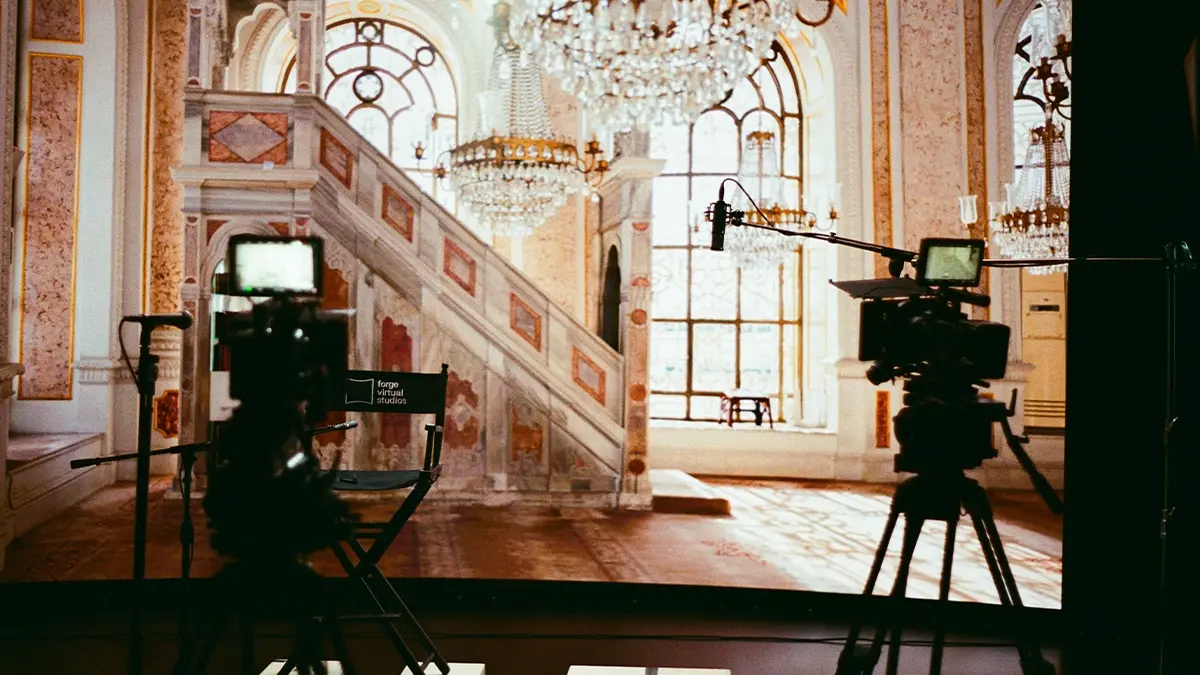
  • Audio and soundtrack: Audio is often just as important as the footage you film. Capturing high-quality audio on-set and strategically layering your soundtrack boosts your film's immersion and realism, even when filming with a green screen or virtual production studio.
  • Special or visual effects: Effects and motion graphics boost your film's engagement and visual quality, but plan for them early in the production process to integrate them effectively.
  • Collaboration: Brainstorming and collaborating with other creative professionals and strategic storytelling studios, such as Forge Virtual Studios, can expand your project's creative potential. Different sets of eyes can also help you see your story, message, and visuals from different perspectives.


Why Cinematic Craft Still Matters in Brand Storytelling

Cinematic branding gives you an opportunity to stand out from competitors by driving trust, credibility, and memorability. For example, visually pleasing content on social media can immediately cause viewers to stop swiping and encourage them to watch your film until the very end, even if they've never heard of your brand before. By the end, your narrative should at least introduce them to:

  • Who you are
  • What you do
  • Why you do it
  • Why you're different

Furthermore, brand films should focus on experiences and perceptions more than technical specs. While stakeholders may care about hard numbers, potential clients and customers want to know what your organization stands for and what it can do for them. Branding with cinematic films gives you an opportunity to answer their questions and influence the message they take away.


Brand Films as Long-Term Brand Assets

Depending on your goals, your finished brand film could become a long-term brand asset that you use over and over. With the exception of content focused on rebranding and other short-term goals, most brand films are generally evergreen, spotlighting organizations' histories, values, and real-world impacts.

Reusing brand films or production templates creates a sense of consistency and confidence with your brand name over time. This can make it easier for viewers to recall your brand when they see your film again. It may also inspire them to remember you later, when they actually need your products or services.


Working With a Studio That Leads With Story and Craft

A professional film brand production company, such as Charter & Co, can elevate your creative potential and help you embrace the cinematic aspect of the craft. As you search for a creative partner, prioritize experienced production teams with diverse brand portfolios, positive client reviews, and visual styles that match your goals. This flexibility is essential for staying true to your brand film's vision and goals.

Have a branded film project in mind? Talk to Charter & Co to see if we're the right fit for your production.

Related posts

Corporate Film vs Commercial Film: What’s the Difference?

Corporate Film vs Commercial Film: What’s the Difference?

Marketing directors are actively shifting from generic content to strategic films focused on broad corporate and brand goals. Both commercial and...

Read More
Commercial Film Production: What Brands Should Expect

Commercial Film Production: What Brands Should Expect

Film production for commercials differs from traditional production, requiring extra emphasis on your brand goals, target audience, and distribution...

Read More
Pre-Production in Film: Why Strategy Determines the Final Outcome

Pre-Production in Film: Why Strategy Determines the Final Outcome

Film crews don't simply walk onto a set and improvise where to set the camera or what to record. Every film requires extensive pre-production...

Read More