Brand Films: Crafting Stories That Create Lasting Impact
Modern branding requires you to step away from just short-term content strategies. Instead, embrace evergreen content that speaks to your...
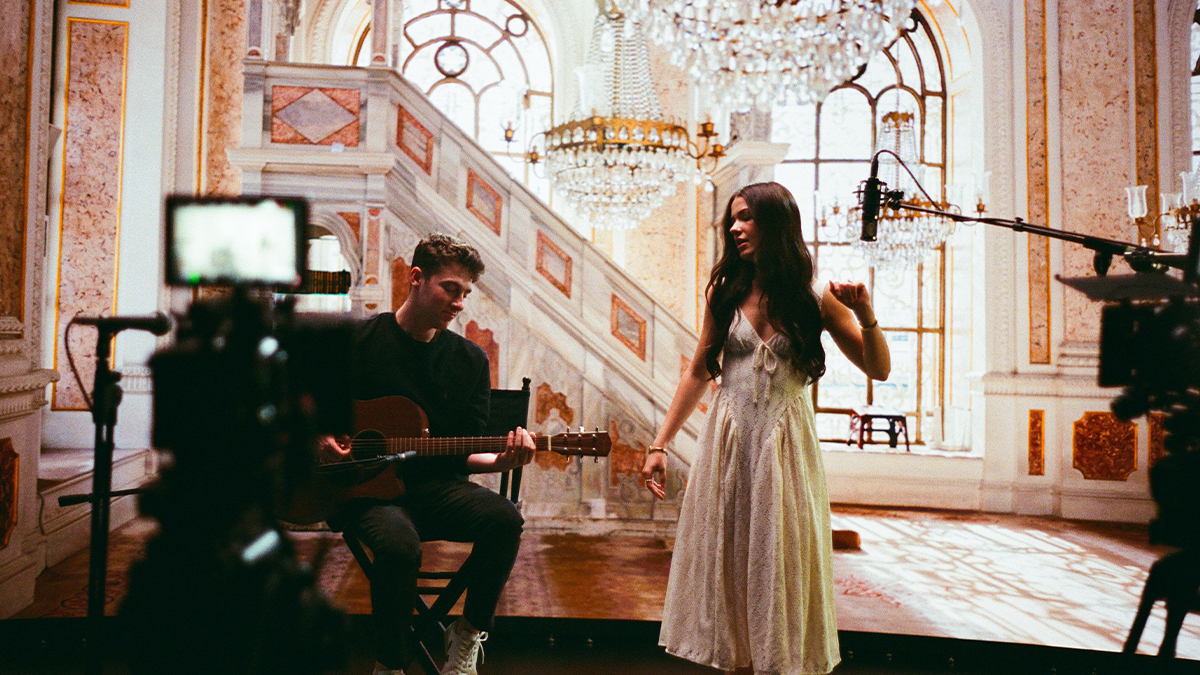
The best cinematic film techniques influence emotion and meaning without the audience even noticing. Sound and visual choices, such as framing, movement, and lighting, can drive audience engagement and point their attention exactly where you want it to go.
Discover how to apply cinematic film techniques to shape perception and narrative clarity in your brand film.
Film is a universal language that can bring together audiences with different backgrounds, interests, and life goals. However, like any language, cinematic language in film comprises many elements and "rules," each of which can affect your brand film in different ways.
At its core, film language is a system of visual cues that shape your film's perceived meaning and emotions. In effect, you should treat cinematic film techniques as necessary steps to define and elevate your brand image — not as mere aesthetic decoration.
Key cinematic techniques in film include:
Cinematic storytelling is the craft of weaving narratives on the screen to engage audiences, stir up emotions, and deliver a message. Cinematography plays a crucial role in this process, determining how your audience sees your film and interprets your message. It's not enough to give your actors a script and throw a camera anywhere in the room.
Strategic framing, perspective, and visual balance let you fine-tune the viewer experience to help audiences see your brand the way you want them to. For example, over-the-shoulder and point-of-view (POV) shots can help your audience see from the perspective of your main character. Meanwhile, up-close framing can evoke deeper emotional connections with characters.
Understanding the cinematic aspects of film composition and framing can help you home in on your clarity, hierarchy, and intentional POV. Placing important information or visual details at key spots throughout the camera frame, such as near camera grid lines, can subtly direct viewers' eyes to where they need to go.
Film scripting and cinematic storytelling techniques can guide your narrative and production choices. While some rules are meant to be broken in creative atmospheres, cinematic rules and storytelling techniques can help your brand film meet basic film standards, such as avoiding breaks in immersion with your camera angles.
Check out these cinematic storytelling techniques in film:
Your camera's movement and rhythm can shape the tension, momentum, and sense of intimacy in your cinematic film. Pacing choices, such as fast, frequent cuts or long shots with minimal cuts, give you greater control over your brand film's emotional and narrative impacts.
For a popular example, The Blair Witch Project uses a shaky, POV camera style that limits what audiences can see, creating a sense of uncertainty while maintaining tension with minimal cuts. On the flip side, Jaws and other films directed by Steven Spielberg use smooth camera movements to subtly guide viewers' eyes to where they need to go.
High-quality film lighting lets you establish and maintain a professional brand image, immediately making your branded film look like a real movie. Beyond credibility, lighting in professional on-set filming production lets you shape your story's tone and emotional atmosphere. Appropriate restraint or consistency in your lighting can give you much more control over your narrative than stylistic excess.
A few types of cinematic lighting include:
Even if it's not on camera, sound design is still one of the most critical cinematic aspects of film. From the background ambience to your choice of music, intentional sound design can reinforce immersion, emotion, continuity, and narrative depth.
Treat sound not as post-production polish but as a primary storytelling layer that drives your creative vision and decision-making. This holistic creative direction will help you maintain cohesion between your narrative, visual language, and brand meaning.
Cinematic craft can be a crucial brand asset. Fortunately, film production is a collaborative process, so you don't need to know all the essential cinematic film techniques yourself.
When choosing a collaborator, be sure to prioritize experienced production teams that are already fluent in cinematic language in film by reviewing their portfolio, demo reel, and testimonials. A storytelling-led, film-first partner, such as Charter & Co, can help you maneuver the complex cinematic production environment while maintaining your brand message and vision.
Contact our creative team to learn more about how to leverage cinematic elements of film for your brand.
Modern branding requires you to step away from just short-term content strategies. Instead, embrace evergreen content that speaks to your...

Film offers a unique medium to capture your audience's attention, drive emotional connection, and share what makes your organization so special....
Film production for commercials differs from traditional production, requiring extra emphasis on your brand goals, target audience, and distribution...